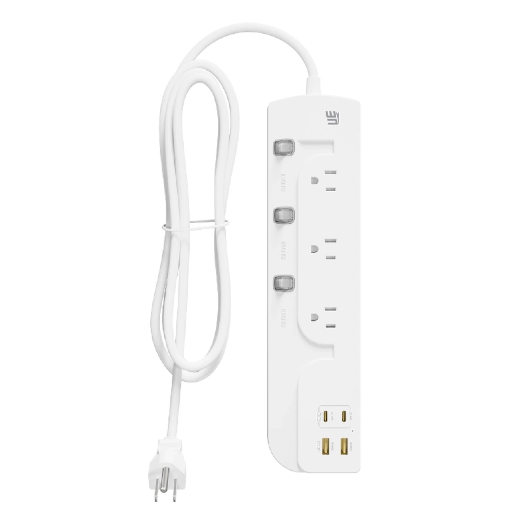
Extension sockets are invaluable tools in both home and office environments, helping to power multiple devices from a single outlet. Whether you're at home working, in an office environment, or in a commercial setting, extension sockets provide the convenience of additional outlets when needed most. However, improper use or mishandling can lead to various risks, such as electrical fires, damage to devices, or personal injury. In this article, we will discuss some common mistakes people make when using extension sockets, the risks involved, and how to prevent these issues. At UE Electronic, we are committed to providing high-quality extension sockets that are designed to be safe, reliable, and durable.
Mistake #1 – Overloading the Socket
One of the most common mistakes people make when using extension sockets is overloading them. Overloading occurs when too many devices are plugged into a socket that isn't rated to handle the combined electrical load of those devices.
Hidden Risks Explained
Overloading the socket is a significant safety concern because each extension socket is rated for a specific power capacity, which is usually indicated by the manufacturer. When the combined wattage or amperage of the plugged-in devices exceeds the socket’s maximum capacity, the extension socket can overheat. This overheating can lead to electrical fires, which are a serious risk, especially when left unattended.
In many cases, people may not be aware of the load each device consumes, or they may ignore the socket’s rating when plugging in multiple devices. Devices like air conditioners, space heaters, and large appliances tend to consume more power than smaller electronics, and when these are plugged into the same extension socket, the risk of overload increases significantly.
To avoid this, always check the extension socket's load rating, and never exceed the recommended wattage. If you need to plug in several high-power devices, consider using a heavy-duty extension socket rated for higher power loads or distribute the devices across multiple sockets.
Mistake #2 – Daisy Chaining Multiple Sockets
Another mistake that people often make is daisy-chaining extension sockets. Daisy chaining refers to plugging one extension socket into another to increase the number of available outlets. While this may seem like a convenient solution, it can have serious safety implications.
Load Stress and Safety Concerns
When you daisy-chain multiple extension sockets together, the electrical load is divided among them, but not always evenly. This uneven distribution can cause some extension sockets to bear an excessive load, which can result in overheating or even sparks. The power flowing through the linked sockets may exceed their capacity, and the risks of fire or electrical damage become much higher.
Using multiple extension sockets in this way is not only dangerous but is also a violation of most electrical safety guidelines. It can place undue strain on the individual sockets, and since extension cords are often not designed for such use, the risk of them malfunctioning or catching fire increases.
To avoid daisy chaining, always use a single, appropriately rated extension socket for the devices you need to power. If you require more outlets, choose a high-quality extension socket that provides enough outlets for your needs.
Mistake #3 – Running Under Carpets or Through Walls
Running extension sockets under carpets or through walls is another dangerous practice that should be avoided. While this may seem like a convenient way to hide unsightly wires, it poses serious risks.
Heat Build-Up Hazard
Extension sockets and their cables generate heat as electrical power passes through them. When the cords are covered by carpets or run through walls, the heat has nowhere to dissipate. This trapped heat can build up and cause the wires to overheat, potentially leading to a fire.
Additionally, covering extension cords with carpets or placing them in confined spaces can cause the wires to become damaged over time, especially if the cord is bent or pinched. This can lead to exposed wires, which is a significant electrocution hazard.
To reduce the risk of overheating, avoid running extension cords under carpets, furniture, or through walls. Instead, make sure the cords are clearly visible, and allow for proper ventilation and airflow. If you need to use extension cords in areas with high foot traffic, use cord covers to keep them protected.

Mistake #4 – Using Wrong Plug Types
Using the wrong type of plug or connecting incompatible devices to an extension socket can cause various issues. This mistake may not seem obvious but can have long-term consequences for both the extension socket and your devices.
Compatibility and Grounding Issues
Each extension socket is designed to work with specific types of plugs and devices. For example, in the US, the standard plug is a two- or three-prong type, while in Europe, it may be a different configuration. Using a plug that doesn't match the socket can result in a loose connection, which may cause arcing or sparks.
Furthermore, grounding issues can occur when the plug and the extension socket are not properly grounded. Grounding is a crucial safety feature that protects your devices from electrical faults. If the extension socket isn’t grounded properly, it could increase the risk of electric shock or fire.
Make sure to use the correct plugs for your extension socket. Always check whether the socket is designed to handle the type of plug you plan to use, and never force a plug into a socket if it doesn't fit.
Mistake #5 – Neglecting Regular Inspection
Many people use extension sockets without regularly inspecting them for signs of wear or damage. Over time, extension sockets can suffer from wear and tear due to constant plugging and unplugging of devices. If these sockets are not checked for damage, they could fail, leading to safety risks.
Wear and Tear Risks
Constant use can cause internal components to become loose or damaged. Worn-out extension sockets may no longer provide a secure connection, and their internal wiring could become exposed, leading to the risk of electrical shock or fire. Additionally, a faulty extension socket could fail to deliver the necessary power to connected devices, potentially causing damage to your equipment.
Checklist for Inspection
Here’s a simple checklist to help you inspect your extension socket regularly:
Inspection Step | Why It Matters | What to Check |
Check for physical damage | Prevents electrical hazards | Look for cracks, exposed wires |
Check cord condition | Prevents short circuits | Ensure cords are not frayed |
Test the power switch | Ensures proper functionality | Check if the switch works |
Look for discoloration | Identifies overheating | Look for burn marks or heat spots |
Mistakes vs Best Practices
The following table summarizes the common mistakes with extension sockets and what should be done instead:
Mistake | What to Do Instead |
Overload | Check load rating |
Daisy chain | Use a higher-outlet socket |
Under rug | Place visible socket |
Outdoor misuse | Get outdoor-rated socket |
Conclusion
When it comes to using extension sockets, safety should always be a priority. By avoiding these common mistakes and following the best practices outlined in this article, you can ensure that your extension socket provides reliable and safe power to your devices. UE Electronic manufactures top-quality extension sockets designed to minimize safety risks, featuring built-in surge protection, overload prevention, and flame-retardant casings. With the right precautions, your extension socket can serve you for years without any issues.
If you want to learn more about UE Electronic’s extension sockets or to purchase one for your home or office, feel free to contact us today!
FAQ
1. What causes an extension socket to overload?
Overloading occurs when the combined power of the devices plugged into the socket exceeds its maximum capacity. This can lead to overheating and even fire.
2. Why is daisy chaining dangerous?
Daisy chaining creates an uneven distribution of power, putting excessive strain on the sockets. This can lead to overheating, sparks, and electrical hazards.
3. Can I run an extension socket under a carpet?
No, running an extension socket under a carpet is dangerous because it traps heat, which can lead to overheating and potential fire hazards.
4. How often should I inspect my extension socket?
It is recommended to inspect your extension socket regularly, checking for signs of wear, damage, or overheating. If you notice any issues, replace the socket immediately.