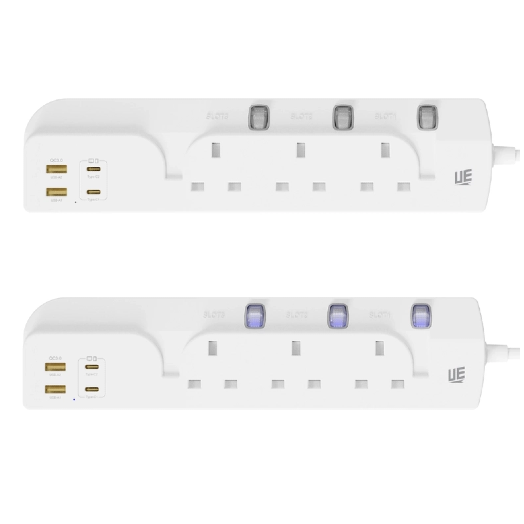
Extension sockets are an essential part of everyday life in modern homes, offices, and industrial environments. They allow us to connect multiple devices to a single outlet, providing much-needed flexibility and convenience. However, as with any electrical equipment, it is important to use extension sockets correctly to avoid accidents and ensure the safety of both your devices and yourself. This article will examine the potential safety risks associated with extension sockets, offer useful safety tips, and guide you on how to use these devices properly. UE Electronic, a leading provider of extension cords and high-quality extension sockets, prioritizes safety in its products to help customers avoid electrical hazards.
Understanding Extension Socket Safety Risks
Although extension sockets are designed to make life easier by expanding the number of available outlets, they can also pose serious risks if not used properly. Some of these risks are associated with overloading, incorrect use, and even faulty products. Let's look at some of the primary safety concerns that come with extension sockets:
Overloading and Electric Fire Hazards
One of the most significant hazards associated with extension sockets is overloading. Every extension socket has a maximum load it can safely handle, usually indicated by the power rating in watts or amps. When the devices plugged into the extension socket exceed this limit, it can cause the socket to overheat, resulting in an electrical fire. Overloading often happens when multiple high-power devices, such as space heaters, air conditioners, or multiple electronics, are plugged into the same extension socket.
The combination of high-power devices and overloading places excessive strain on the socket, causing the internal components to heat up. This excessive heat could lead to a fire. To avoid this, always check the maximum power load on the socket and avoid plugging in devices that exceed the recommended load capacity.
Misuse and Trip Hazards
Misuse and improper placement of extension sockets can result in trip hazards and other accidents. Extension sockets, particularly those with long cords, can easily get tangled or placed in areas where they obstruct walkways, making them a tripping hazard. In addition, improper use, such as running extension cords under carpets, furniture, or through doorways, can create overheating risks and increase the likelihood of damage.
It is essential to ensure that extension sockets are placed in appropriate locations and that the cords are securely fastened or tucked away to avoid obstructing walkways. Furthermore, avoid placing the extension socket under furniture or other items that can trap heat.
Top Safe Usage Tips for Extension Sockets
To ensure extension sockets are used safely, it’s important to follow a few basic safety practices. These safety tips will help prevent accidents, such as electrical fires, shocks, and other hazards, ensuring that the extension socket serves its purpose without posing a risk to users.
Always Check Maximum Load
Before using an extension socket, always verify the maximum load capacity. This information is typically found on the label of the socket. The load capacity refers to the amount of electrical power the extension socket can safely handle. If the total wattage of the devices plugged into the socket exceeds its rated capacity, it can cause overheating and potentially start a fire. It’s crucial to keep the load within the manufacturer’s recommended limits to avoid such risks.
Inspect for Damage Before Use
Prior to using an extension socket, inspect it for any signs of wear or damage. Check the cord for frays, cuts, or exposed wires, and ensure that the socket itself is not cracked or broken. Damaged extension sockets should never be used. Even small defects can pose significant electrical risks, including short circuits or fires. If the socket shows any signs of damage, replace it immediately to ensure the safety of your devices and yourself.
Use Surge Protection
Using extension sockets with built-in surge protection can significantly reduce the risk of electrical damage. Power surges and voltage spikes can occur unexpectedly due to various reasons, such as storms or power grid issues. Without surge protection, these spikes could damage sensitive electronic devices like computers, televisions, and smartphones. UE Electronic offers extension sockets with integrated surge protection, providing an added layer of safety for your devices and ensuring that they remain functional even during power fluctuations.
Do Not Plug Multiple Extensions (“Daisy Chaining”)
It’s essential to avoid daisy chaining, which refers to plugging one extension socket into another. This practice can lead to overloading and is a common cause of electrical fires. Instead of linking multiple extension sockets together, always use a single extension socket with enough outlets to meet your needs. If you require more outlets, consider upgrading to an extension socket that offers more outlets or investing in a power strip designed to safely accommodate multiple devices.
Safety Checklist
When using extension sockets, always adhere to a safety checklist to ensure proper usage. The following table outlines important steps to take to maintain safety when using extension sockets:
Safety Step | Why It Matters | Example |
Check load | Prevent overheating | See wattage label |
Avoid water | Prevent electric shock | Keep dry |
Don’t daisy chain | Avoid fire risk | Use one extension only |
Use certified products | Ensure quality and safety | Look for UL/CE markings |

Safety Tips for Different Environments
Extension sockets are versatile tools that are used in various environments, including homes, offices, and even outdoor settings. However, safety practices can differ depending on where the extension socket is being used.
Home Use
In a home environment, extension sockets are often used in living rooms, kitchens, bedrooms, and garages. To ensure safety, avoid placing extension sockets where they can easily be knocked over or where cords might be tripped on. Additionally, avoid running extension cords under carpets or furniture, as this can cause overheating. It is also essential to keep the extension socket dry and away from water sources to prevent electrical shock.
Office Use
In office settings, extension sockets are commonly used to power computers, printers, and other equipment. When using extension sockets in the office, always check that the total wattage of all connected devices does not exceed the maximum load of the extension socket. Furthermore, consider using surge-protected extension sockets to protect sensitive office equipment from power surges or voltage spikes. Keep extension cords tidy and organized to prevent accidents, and ensure that cords do not obstruct walkways, reducing the risk of tripping.
Outdoor Settings
When using extension sockets outdoors, make sure they are rated for outdoor use. Outdoor extension sockets need to be waterproof or at least water-resistant to avoid damage from exposure to rain or moisture. Always store extension sockets indoors when not in use to prevent weather-related damage, and avoid using them in areas where they could be exposed to water. Additionally, ensure that the socket is securely plugged in and placed on a stable, dry surface to prevent potential hazards.
What to Do If You Notice an Issue
Even with proper usage, extension sockets can sometimes develop issues. It’s important to recognize the signs of potential problems and take appropriate action.
Signs of Wear/Damage
Extension sockets should be inspected regularly for signs of wear or damage. Some common signs of damage include frayed or exposed wires, cracks in the socket, or a burnt smell. If you notice any of these issues, stop using the extension socket immediately. Continuing to use a damaged socket can increase the risk of electric shock or fire. Replace damaged sockets promptly to ensure safety.
When to Replace an Extension Socket
It is important to replace extension sockets when they show any signs of wear, damage, or malfunction. Never attempt to repair a damaged socket, as this can cause further damage and create safety hazards. When replacing an extension socket, always choose one that meets the required safety standards and is rated for the devices you plan to connect.
Conclusion
In conclusion, using UE Electronic’s extension sockets safely is essential for preventing electrical hazards and ensuring the safety of your devices and home or office environment. By following the safety practices outlined in this article, you can ensure that your extension socket is used correctly and safely. UE Electronic provides high-quality extension sockets equipped with surge protection, overload protection, and flame-retardant casings, giving you peace of mind knowing your devices are in good hands. For more information on our extension sockets or to place an order, please contact us today.
FAQ
1. How do I choose the right extension socket for my devices?
Choose an extension socket that supports the power load of your devices. Make sure to check the maximum load capacity and consider whether you need additional features like surge protection or USB charging ports.
2. Is it safe to use an extension socket for high-powered devices?
Yes, but ensure the extension socket is rated to handle the power consumption of your devices. Avoid overloading the socket to reduce the risk of overheating or fire.
3. How can I protect my devices from power surges using an extension socket?
Look for an extension socket with built-in surge protection. This will help safeguard your devices from voltage spikes that could cause damage.
4. Can I use multiple extension sockets together?
No, it is dangerous to link multiple extension sockets together (daisy chaining). Always use a single extension socket to avoid overloading and electrical risks.