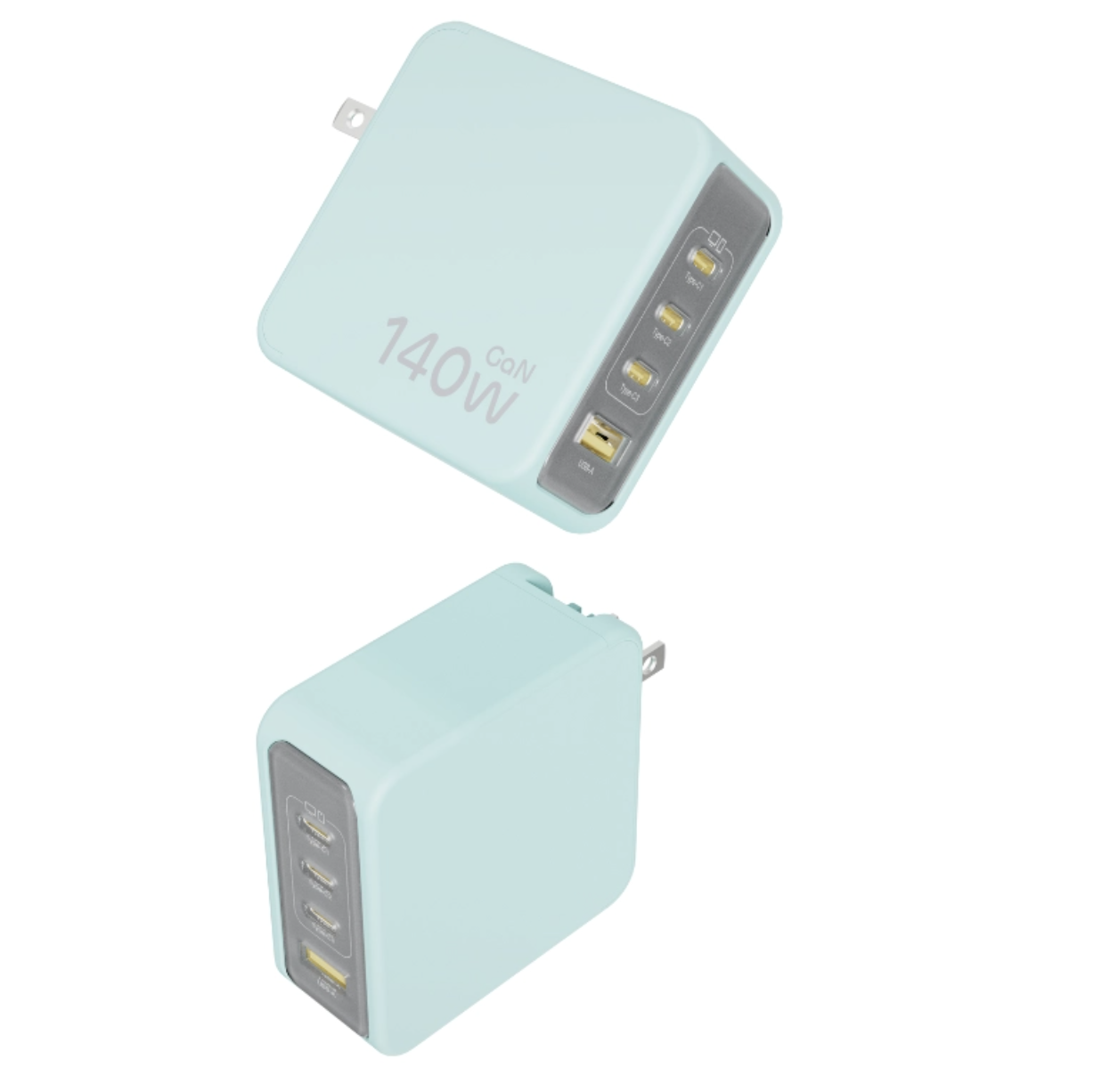
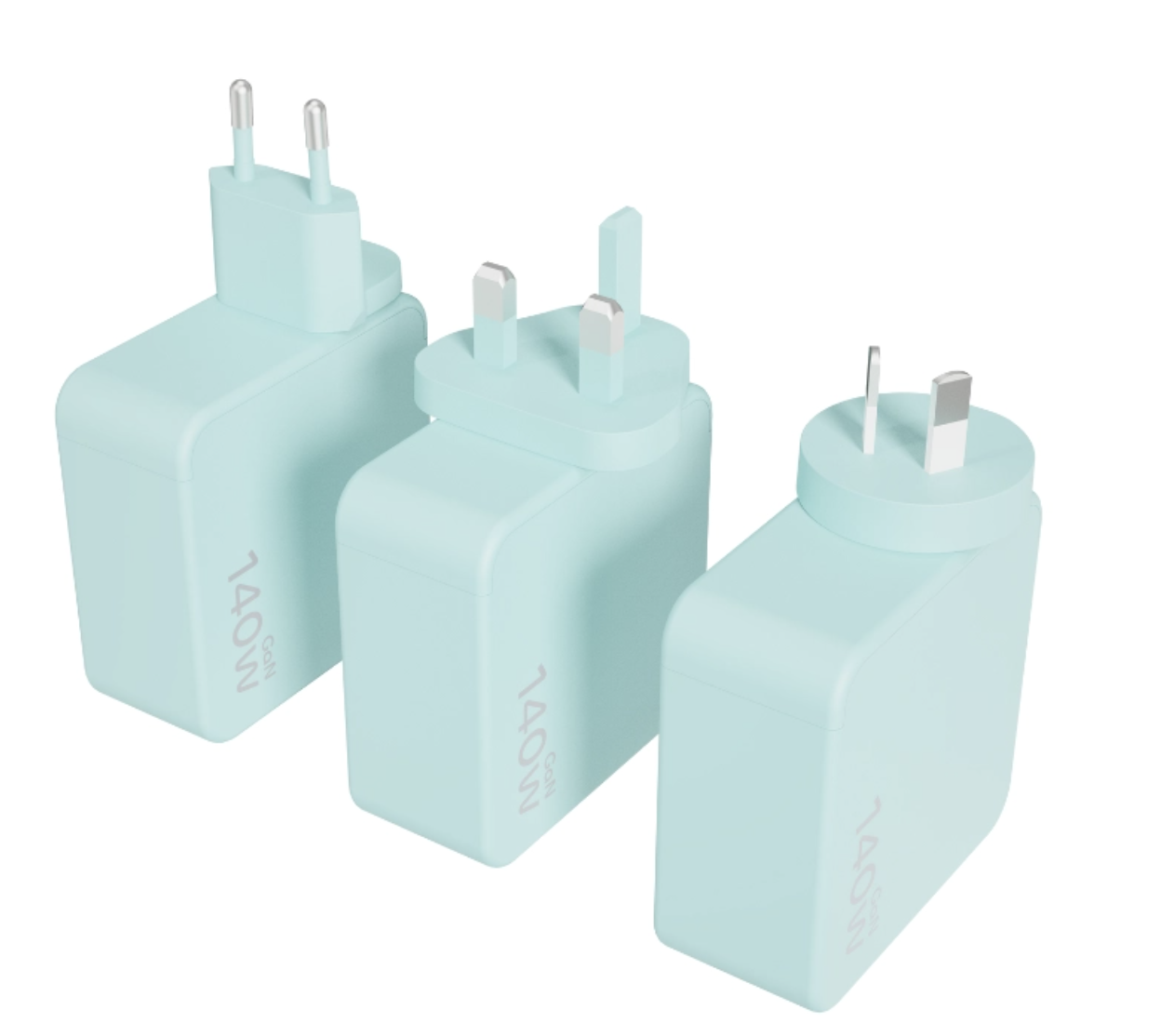
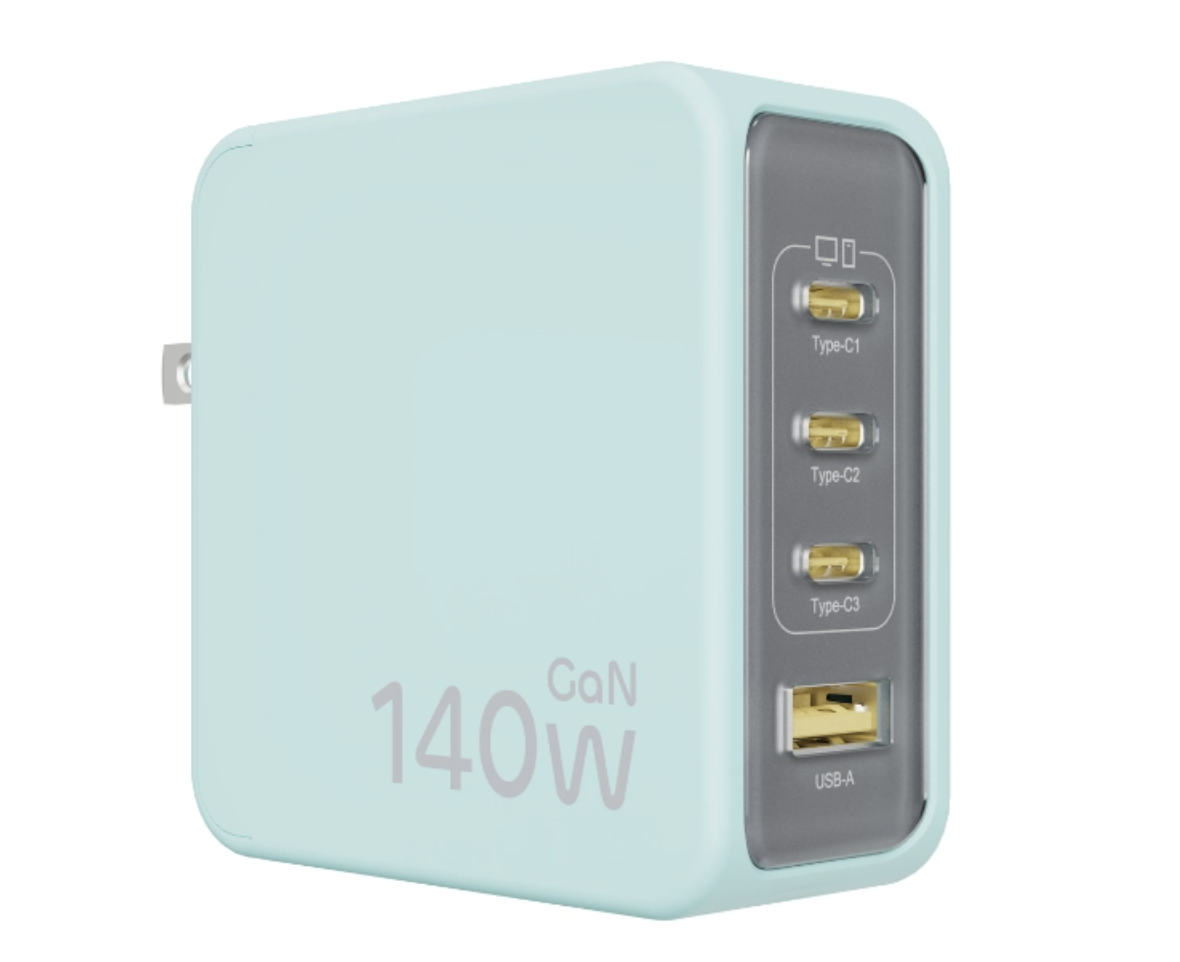
Ever wondered why your charger heats up and takes forever to charge? Enter the GaN charger—a game-changer in charging technology. Understanding GaN chargers and their lifespan is crucial for tech-savvy consumers. In this post, you'll learn what a GaN charger is and why knowing its lifespan matters.

Outline Section: Understanding GaN Technology
Characteristics of GaN Technology
Gallium Nitride (GaN) is a cutting-edge semiconductor material that’s transforming how we charge our devices. Unlike traditional silicon, GaN has a much wider energy bandgap—around 3.4 eV compared to silicon’s 1.1 eV. This means GaN can handle higher voltages and operate efficiently at higher temperatures without breaking down. Because of these properties, GaN transistors switch faster—up to hundreds of kHz—leading to smaller, lighter, and more efficient chargers.
GaN’s high electron mobility allows it to conduct electricity more smoothly. It also produces less energy loss during power conversion, which reduces heat. This efficiency means GaN chargers generate less heat, last longer, and stay cooler during use. Their thermal conductivity, about 1.3 W/cm·K, helps dissipate heat more effectively than silicon, making them safer and more durable.
Comparison with Traditional Silicon Chargers
Traditional silicon chargers rely on silicon semiconductors, which have been used for decades. Silicon’s energy bandgap is narrower, around 1.1 eV, limiting its ability to handle high voltages and high temperatures efficiently. As a result, silicon chargers tend to be larger, generate more heat, and have lower efficiency—often between 80-85%. They also switch at lower frequencies (20-100 kHz), requiring bigger passive components like transformers and inductors.
In contrast, GaN chargers operate at much higher switching frequencies—over 1 MHz—enabling the use of smaller passive parts. This results in chargers that are 30-50% smaller and lighter. Their higher efficiency (often above 94%) reduces energy waste and heat, extending their lifespan. GaN’s ability to operate at higher voltages and temperatures without degradation makes them more durable over time.
Key differences:
Feature | Silicon Chargers | GaN Chargers |
Energy Bandgap | 1.1 eV | 3.4 eV |
Switching Frequency | 20-100 kHz | >1 MHz |
Efficiency | 80-85% | >94% |
Size | Larger | Smaller (30-50% smaller) |
Heat Generation | Higher | Lower |
Durability | Moderate | Higher |
In summary, GaN technology offers a leap forward in charging efficiency, size, and longevity. Its unique properties make it ideal for modern fast chargers, supporting higher power outputs while remaining compact and safe. As this tech matures, expect even more innovative, reliable, and eco-friendly charging solutions to emerge.
Outline Section: Factors Affecting GaN Charger Lifespan
Internal Components and Build Quality
The lifespan of a GaN charger depends heavily on its internal parts and overall build quality. High-quality chargers use durable components like solid-state capacitors, which can withstand many charge cycles without degrading. The circuit board design also matters; multi-layer PCBs with proper insulation and layout reduce stress on components.
Reinforced USB-C ports and high-cycle rated connectors prevent wear from frequent plugging and unplugging. When these parts are robust, the charger can handle daily use for years without failure. Conversely, low-quality parts or poor assembly can lead to early breakdowns, overheating, or connection issues.
Power Delivery Efficiency and Overload Protection
Efficient power delivery extends a GaN charger’s life. Modern chargers with smart power regulation adjust output according to device needs, reducing internal stress. Overload protection prevents damage from power surges or accidental overcurrent situations.
Chargers equipped with multiple safety layers—overvoltage, short circuit, and overheat protection—are less likely to suffer from component failure. These features help maintain stable operation, especially during high power demands or unstable electrical environments.
Charging Environment and Usage Habits
External factors significantly influence longevity. Excessive heat accelerates component wear, so using chargers in well-ventilated areas is wise. Avoid placing chargers in hot or humid environments, which can cause corrosion or thermal stress.
Power surges and voltage fluctuations damage internal circuits over time. Using surge protectors shields your charger from sudden spikes. Additionally, frequent plugging and unplugging, especially with damaged or low-quality cables, can strain ports and connectors, leading to early failure.
Good usage habits include avoiding exposure to extreme temperatures, regularly inspecting cables for damage, and not overloading the charger beyond its rated capacity. Proper care can extend your charger’s functional life well beyond the average.
Tip: Ensuring high build quality, incorporating safety features, and practicing good usage habits can significantly prolong your GaN charger’s lifespan.

GaN Chargers vs. Traditional Chargers
Durability and Heat Resistance
GaN chargers are built to last longer than traditional silicon chargers. The key reason is their superior heat management. GaN technology produces less heat during charging because it operates more efficiently. Less heat means less stress on internal components, which reduces wear and tear over time. Traditional silicon chargers tend to get hotter, which can cause parts to degrade faster and lead to early failure.
Moreover, GaN chargers often feature reinforced ports and high-quality circuit boards designed to withstand frequent use. Their materials, such as fireproof plastics and multi-layer PCBs, add extra durability. This robust build helps GaN chargers resist damage from drops or frequent plugging and unplugging better than many silicon chargers.
Performance and Efficiency
Performance-wise, GaN chargers outshine traditional ones. They can switch electrical currents at much higher frequencies—over 1 MHz compared to silicon’s 20-100 kHz. This high switching frequency improves power delivery efficiency, often exceeding 94%. Traditional chargers usually hover around 80-85% efficiency.
Higher efficiency means GaN chargers waste less energy as heat and deliver power faster. This results in quicker charging times for your devices. For example, a 65W GaN charger can charge smartphones and laptops faster than a silicon charger of the same wattage. The efficient power conversion also reduces electricity costs over time.
Size and Portability
One of the most noticeable differences is size. GaN chargers are typically 30-50% smaller and lighter than traditional silicon chargers. This compactness comes from GaN’s ability to operate at high frequencies, allowing smaller internal components like transformers and capacitors.
The smaller size makes GaN chargers highly portable and ideal for travel or carrying in a bag. They take up less space on a desk or in a power strip, which is convenient for multi-device setups. Despite their small size, GaN chargers maintain or even improve power output compared to bigger silicon chargers.
Tip: When choosing chargers for business or personal use, prioritize GaN models for their superior heat resistance and compact design, which ensure longer lifespan and better portability.
Outline Section: Advantages of Using GaN Chargers
Multi-Device Charging Support
GaN chargers excel at supporting multiple devices simultaneously. Thanks to their high power density and smart power management, they can deliver adequate wattage across several ports without sacrificing speed or safety. Many models feature multiple USB-C ports, sometimes combined with USB-A, allowing users to charge smartphones, tablets, and even laptops at the same time.
This multi-port capability simplifies travel and daily use. Instead of carrying multiple chargers, users can rely on a single compact device. For example, a 65W GaN charger might have two USB-C ports that share the total power output intelligently. When a laptop needs 45W, the remaining 20W can be split among smartphones or tablets.
GaN technology's high efficiency ensures that power is distributed evenly and quickly. Devices charge faster compared to traditional chargers, even when sharing ports. This is especially beneficial for busy professionals or families with multiple gadgets.
Furthermore, many GaN chargers support advanced fast-charging protocols such as USB Power Delivery (PD) and Quick Charge (QC). These protocols optimize charging speeds for compatible devices, reducing overall charging time. For instance, a single GaN charger can quickly power up an iPhone, a Samsung Galaxy, and a MacBook simultaneously.
The support for multiple devices also reduces cable clutter. Users no longer need separate chargers for each device, saving space at home or work. Plus, the compact size of GaN chargers makes them ideal for travel, where space and weight matter.
In summary, GaN chargers support multiple devices with high efficiency, fast speeds, and portability. They are perfect for modern lifestyles that demand quick, reliable, and versatile charging solutions.
Tip: When choosing a GaN charger, look for models with multiple ports, high wattage, and support for fast-charging standards to maximize device compatibility and charging speed.
Outline Section: Common Myths and Misconceptions About GaN Chargers
Are GaN Chargers Safe?
Many people worry about the safety of GaN chargers because of their advanced technology and small size. However, GaN chargers are thoroughly tested and certified by safety authorities like UL, CE, and FCC. These certifications ensure they meet strict safety standards for electrical safety, thermal management, and electromagnetic compatibility.
GaN technology actually makes chargers safer. Because they generate less heat during operation, there's a lower risk of overheating or causing burns. Their high efficiency reduces energy waste, which also diminishes the chance of thermal stress or component failure. Modern GaN chargers incorporate multiple safety features—overvoltage, overcurrent, short-circuit, and overtemperature protections—making them reliable for daily use.
It's important to buy from reputable brands or certified manufacturers. Cheap, unbranded GaN chargers might lack proper safety features or testing. Always check for safety marks like UL or CE before purchasing. When used properly, GaN chargers are just as safe, if not safer, than traditional silicon-based chargers.
Cost and Market Availability
One common misconception is that GaN chargers are too expensive or hard to find. In reality, their higher cost results from complex manufacturing processes and newer technology. Gallium Nitride components require precise, high-temperature synthesis, which raises production costs. As a result, GaN chargers tend to be priced higher than silicon chargers, especially for models with high wattage or multiple ports.
However, market availability is improving. More brands now produce GaN chargers, increasing options and competition. This growth helps reduce prices over time. Plus, OEM and ODM manufacturers offer bulk solutions, making high-quality GaN chargers more accessible for businesses and consumers alike.
Despite the higher upfront cost, GaN chargers often save money long-term. Their durability, efficiency, and compact size mean fewer replacements, lower energy bills, and less waste. For businesses, investing in GaN technology can be a smart move, providing reliable, long-lasting power solutions.
Compatibility with Devices
Some believe GaN chargers only work with certain devices. That’s not true. Most GaN chargers support universal standards like USB-C Power Delivery (PD) and Quick Charge (QC). These protocols are compatible with a wide range of modern smartphones, tablets, and laptops.
However, it’s essential to check the wattage and port specifications. For example, a 65W GaN charger can efficiently power a MacBook or fast-charge a smartphone. But if you connect a device that requires 100W, ensure the charger supports that wattage. Compatibility also depends on the device’s charging port and protocol support.
Older devices or non-USB-C gadgets might not benefit fully from GaN chargers’ fast-charging features. Still, GaN chargers are versatile enough to handle most modern electronics safely. Always verify device requirements and charger specifications before use.
Tip: When choosing a GaN charger, prioritize models with certified safety features, appropriate wattage, and multiple ports to ensure compatibility and safety across all your devices.

How to Maximize Your GaN Charger’s Lifespan
Proper Usage and Maintenance Tips
To get the most out of your GaN charger, proper usage is key. First, always use the charger within its rated capacity. Overloading it by connecting devices that demand more power than the charger can deliver can cause undue stress on internal components, reducing its lifespan. For example, plugging a 100W charger into a device that only needs 20W isn't harmful, but consistently pushing it to maximum capacity can accelerate wear.
Keep your charger in a cool, well-ventilated area during use. GaN technology produces less heat than silicon chargers, but excessive heat still shortens its lifespan. Avoid placing it in hot environments like direct sunlight, hot cars, or near heat sources. Also, ensure your charging cables are in good condition. Frayed or damaged cables can cause electrical faults, which may harm the charger or your device.
Regularly clean the charging port and connectors. Dust, dirt, or debris can interfere with a good connection, leading to inconsistent charging or potential damage over time. Use a soft brush or compressed air to keep ports clean. When disconnecting, do so gently to avoid damaging the ports or connectors.
Choosing High-Quality Chargers from Reputable Manufacturers
Investing in a high-quality GaN charger from a reputable brand or certified manufacturer is crucial. Cheaper, low-quality chargers often use inferior components that degrade faster, leading to early failure. Look for certifications like UL, CE, or FCC, which indicate the charger meets safety and quality standards.
Opt for chargers with built-in safety features such as overvoltage, overcurrent, short-circuit, and overheat protections. These features act as safeguards, preventing damage during surges or improper use. For example, a charger with smart IC chips can automatically adjust power output based on the connected device, reducing internal stress.
When selecting a charger, consider its build quality. Solid materials, reinforced ports, and high-cycle rated connectors contribute to longevity. Also, choose models with good thermal management design—such as internal heat sinks or improved heat dissipation features—since they help keep internal temperatures low during prolonged use.
Finally, buy from trusted brands or authorized dealers. This reduces the risk of counterfeit or substandard products that may fail prematurely or pose safety hazards. Reading reviews and checking for warranties can also help ensure you're purchasing a durable, reliable product.
By following these usage and selection tips, you can significantly extend your GaN charger’s lifespan, ensuring safe, efficient, and reliable performance for years to come.
Conclusion
GaN chargers offer significant advantages over traditional silicon chargers, including superior heat management, efficiency, and compact size. These features contribute to a longer lifespan and better performance. Investing in GaN technology is wise as it provides reliable and versatile charging solutions for modern devices. Choosing high-quality products from reputable manufacturers ensures safety and durability. Consider UE Electronic's GaN chargers for their innovative design and value, enhancing your charging experience while ensuring longevity and efficiency.
FAQ
Q: What is a GaN charger?
A: A GaN charger uses Gallium Nitride technology, offering higher efficiency, smaller size, and better heat management than traditional silicon chargers.
Q: How long does a GaN charger typically last?
A: With high-quality components and proper care, a GaN charger can last several years, often outliving traditional chargers due to its superior efficiency and durability.
Q: Why are GaN chargers more efficient?
A: GaN chargers are more efficient because they operate at higher frequencies, reducing energy loss and heat generation, which extends their lifespan.
Q: Are GaN chargers safe to use?
A: Yes, GaN chargers are safe, featuring multiple safety protections like overvoltage and overcurrent, and are certified by safety authorities.