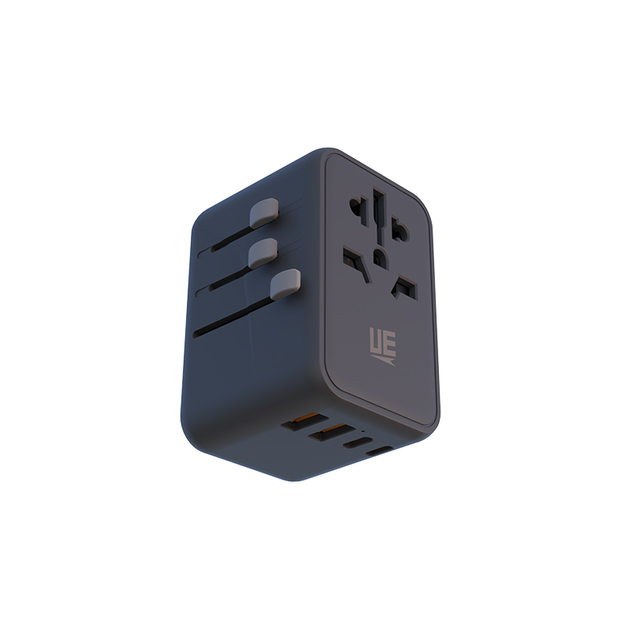
Traveling abroad is exciting, but finding the right power plug can be frustrating. Have you ever arrived at your destination, only to realize your charger doesn't fit the socket?
A reliable travel adapter is crucial for hassle-free charging on your trip. In this post, we'll discuss how to choose the best travel adapter, ensuring you stay powered up no matter where you go.
Why Is Choosing The Right Travel Adapter Crucial?
Traveling to different countries can be exciting, but the one thing that can often cause frustration is finding the right plug to charge your devices. In many places, outlets and voltage requirements differ, and using the wrong adapter can lead to inconvenience, safety risks, and even damage to your devices. Let's explore why choosing the right travel adapter is so important, focusing on three main areas: universal compatibility, safety considerations, and peace of mind.
Universal Compatibility
When traveling internationally, the most significant issue travelers face is the difference in plug types. Each country uses different outlet designs, from the flat pins of the US to the round ones found across Europe. With over 15 distinct plug types worldwide, you can quickly find yourself in a situation where your charger doesn't fit the socket.
Moreover, voltage differences can create additional complications. While countries like the US typically use 110V, most other regions, including Europe and parts of Asia, operate on 220V. Some devices are designed to handle both, but others may only support one voltage. If you plug a 110V device into a 220V socket without a proper converter, you could cause irreparable damage to your electronics. A travel adapter that also accommodates the voltage of your device will protect it from such risks.
Country/Region | Voltage | Plug Type |
United States | 110V | Type A, B |
United Kingdom | 230V | Type G |
Europe | 220V | Type C, E/F |
Australia | 230V | Type I |
Using the wrong adapter can result in incompatibility, preventing you from charging your devices at all. A universal travel adapter designed for various plug types and voltage ranges can save you from this inconvenience.
Safety Considerations
Using the correct travel adapter isn't just about convenience; it’s also a matter of safety. Plugging your device into an unsuitable adapter can lead to overheating, short circuits, or even electrical fires. Low-quality adapters or those lacking safety certifications are particularly risky. They may not have the necessary protection against power surges or excessive heat, which can endanger both you and your devices.
Certified travel adapters come with built-in safety features like surge protection, grounded plugs, and fuses that protect your electronics from unexpected power spikes. These features ensure that your devices charge safely and securely, especially in unfamiliar environments. Don’t risk using subpar adapters; always opt for those that meet international safety standards.
Peace of Mind and Convenience
The right travel adapter also contributes to a stress-free travel experience. Imagine you’re in a foreign country, eager to use your phone, but when you try to plug it in, your adapter doesn’t fit. A good travel adapter eliminates that worry, allowing you to focus on enjoying your trip rather than dealing with charging issues.
Furthermore, modern travel adapters come with features that make them more convenient than ever. Many adapters now include multiple USB ports, allowing you to charge your phone, tablet, and power bank all at once without needing additional chargers. Some even come in compact sizes, making them easy to pack and carry without adding bulk to your luggage. A well-designed adapter ensures that you’re always ready to power up, whether you’re in a hotel room, airport lounge, or café.
Whether you're charging your laptop, smartphone, or camera, the right adapter ensures you can stay connected without the hassle of managing multiple chargers. With the added benefits of compact size and USB compatibility, traveling with the right adapter makes it easier to stay organized and powered up.
Key Factors to Consider When Choosing a Travel Adapter
When selecting the best travel adapter for your next trip, it’s important to take several key factors into account. By considering these factors, you’ll ensure that you choose an adapter that meets your needs, provides safety, and is compatible with the power systems in the countries you visit.
Identify Your Destination(s)
The first step in choosing a travel adapter is researching the types of power outlets and voltage used in the countries you'll be visiting. Different regions of the world use different plug shapes, voltages, and frequencies. Without the right adapter, your devices simply won’t fit into foreign outlets, rendering them useless.
For example, the United States uses Type A and Type B plugs, while much of Europe uses Type C, E, or F plugs. The UK, on the other hand, uses the Type G plug. By knowing the plug types and voltage of your destination(s), you can make sure you’re selecting an adapter that fits both the socket and your device’s voltage requirements.
Country/Region | Voltage | Plug Type |
United States | 110V | Type A, B |
United Kingdom | 230V | Type G |
Europe | 220V | Type C, E/F |
Australia | 230V | Type I |
Japan | 100V | Type A (mostly), some B |
Voltage Compatibility
Voltage compatibility is another crucial factor when selecting a travel adapter. Different regions use different voltage systems, and plugging your device into the wrong voltage can cause serious damage. For instance, the United States uses 110V electricity, while most of Europe and other parts of the world use 220V or 230V.
Many modern devices like smartphones, laptops, and tablets support dual voltage (100–240V), which means they can handle both 110V and 220V outlets. However, it’s important to check the voltage requirements on your device’s power brick. If your device only supports 110V, it’s vital to choose a travel adapter with built-in voltage conversion.
● How to Check Voltage: Look for a label on your device’s charger or power brick. If you see “Input: 100–240V”, it’s dual voltage and only needs an adapter. If the label says “Input: 120V” or “Input: 220V”, then you'll need a voltage converter for destinations with different voltages.
Type of Travel Adapter
Travel adapters come in various types, each designed for specific regions. Understanding the different plug types and how they work is essential in selecting the right adapter. Here's a quick overview of common plug types and where they are used:
● Type A and B: Found in North America and Japan.
● Type C: Common in Europe, parts of Asia, and South America.
● Type G: Used in the UK, Ireland, Hong Kong, and Singapore.
● Type I: Found in Australia, New Zealand, and parts of China.
If you're traveling to multiple countries with different plugs, a universal travel adapter is a great option. Universal adapters feature multiple plug types in a single unit, allowing you to switch between them as needed.
Additional Features to Enhance Your Travel Experience
Modern travel adapters come with added features that can make your travel experience even more convenient. Some of the key features to look out for include:
● USB Ports: Many travel adapters now include USB ports, allowing you to charge multiple devices, such as phones, tablets, and power banks, directly from the adapter. This eliminates the need for extra chargers and helps save space.
● Compact Design: Travel adapters can vary in size, but compact designs are ideal for travelers who want to minimize bulk. Look for a lightweight, portable adapter that fits easily into your bag without taking up too much space.
● Built-in Voltage Converters: Some adapters come with a built-in voltage converter, allowing you to safely plug in devices with differing voltage needs. This can be especially important if you are traveling with devices that aren’t dual voltage compatible.
● Surge Protection: Consider an adapter with surge protection. This feature helps protect your electronics from power spikes, which can occur during thunderstorms or power outages. It adds an extra layer of security to your valuable devices.
Tip: By keeping these factors in mind, you can choose a travel adapter that ensures your devices stay charged and protected, no matter where your travels take you.

How to Use a Travel Adapter Safely
Using a travel adapter correctly is crucial for ensuring your devices stay powered while avoiding potential damage or safety risks. Following the right steps when inserting and using the adapter can help you avoid overheating, electrical hazards, and device malfunctions. Here are some important safety guidelines to follow when using your travel adapter.
Identify the Correct Socket
Before using your travel adapter, you must first ensure that you’re plugging it into the right socket. Many countries use different plug types, and using the wrong adapter can lead to dangerous situations.
Start by checking the socket to identify the plug type needed. If you're unsure, look at the country’s standard plug types. Most travel adapters allow you to select the appropriate plug type based on the region you are in. For example, if you are in Europe, you may need a Type C adapter, while the UK uses Type G.
If you're using a universal adapter, check the adjustable prongs and ensure that the correct one is selected before inserting it into the outlet. This helps prevent misconnections and ensures proper fitment.
Country/Region | Plug Type | Voltage | Frequency |
United States | Type A, B | 110V | 60 Hz |
United Kingdom | Type G | 230V | 50 Hz |
Europe | Type C, E/F | 220V | 50 Hz |
Australia | Type I | 230V | 50 Hz |
Japan | Type A, B | 100V | 50/60 Hz |
Insert the Adapter Properly
Once you’ve identified the correct socket and adjusted your travel adapter to fit, it’s time to insert the adapter properly. Here are the step-by-step instructions to ensure you’re using the adapter effectively:
1. Choose the Correct Plug: If you're using a universal adapter, slide or select the plug that matches the socket at your destination.
2. Ensure the Adapter is Secure: Insert the adapter into the socket firmly. The prongs should slide in smoothly without force. If the adapter feels loose or doesn’t fit properly, it might be the wrong type or a faulty adapter.
3. Connect Your Device: After inserting the adapter, plug your device’s charging cable into the adapter’s port. For adapters with USB ports, simply connect your USB cable and begin charging.
Always make sure to check that the adapter fits securely before using it. Loose connections can result in electrical sparks or poor power flow, potentially damaging your devices.
Heat Monitoring and Device Care
Overheating is one of the main concerns when using travel adapters, especially if they’re being used for extended periods or with high-powered devices. Here are a few tips to prevent overheating and ensure your devices stay safe:
1. Regularly Check the Adapter for Heat: While charging, touch the adapter to check its temperature. It should feel warm, but not hot. If it becomes uncomfortably hot, unplug it and allow it to cool down before trying again. Overheating can damage both the adapter and your devices.
2. Proper Ventilation: Ensure that the adapter is placed in a well-ventilated area. Avoid plugging it in behind furniture or near other objects that might obstruct airflow. If the adapter is covered or placed in a tight space, heat can build up quickly.
3. Avoid Overloading the Adapter: Travel adapters often come with a limited power capacity. Avoid plugging in too many devices or high-power appliances, such as hairdryers or irons, unless the adapter explicitly supports these items. Overloading an adapter can cause it to overheat or malfunction.
4. Use the Right Cable: Always use the recommended charging cables for your devices. Cheap or incompatible cables can create resistance, leading to excess heat generation. Also, try to use cables of an appropriate length – very long cables can trap heat.
5. Don’t Daisy-Chaining: Avoid connecting multiple power strips or adapters together. This can overload the outlet and lead to dangerous situations, including fire risks.
By following these tips, you’ll reduce the risk of overheating and ensure that your devices charge safely without any issues. Always prioritize safety by inspecting your equipment and ensuring proper ventilation while charging.
Conclusion
Choosing the best travel adapter is crucial for hassle-free charging while traveling. Ensure compatibility with the local plug types and voltage standards. Safety features like surge protection and USB ports can enhance your travel experience. For reliable, high-quality adapters, consider products from UE Electronic, known for their excellent performance and user-friendly design, providing a smooth, stress-free travel experience.
FAQ
Q: What is a travel adapter?
A: A travel adapter allows you to plug your devices into outlets with different plug types while traveling. It doesn’t change voltage, only the physical plug shape.
Q: How do I know which travel adapter I need?
A: Research the plug types and voltage used in your destination. Choose a travel adapter that matches the plug type and voltage requirements.
Q: Can I use a travel adapter for high-power devices?
A: Most travel adapters are suitable for low-power devices. For high-power items like hair dryers, ensure the adapter supports higher wattages and voltage.
Q: Why is it important to choose the right travel adapter?
A: The right travel adapter ensures safety, compatibility, and convenience, preventing issues like overheating or device damage.
Q: Where can I buy a reliable travel adapter?
A: You can find high-quality travel adapters at trusted retailers, such as UE Electronic, offering durable and safe options for international travel.