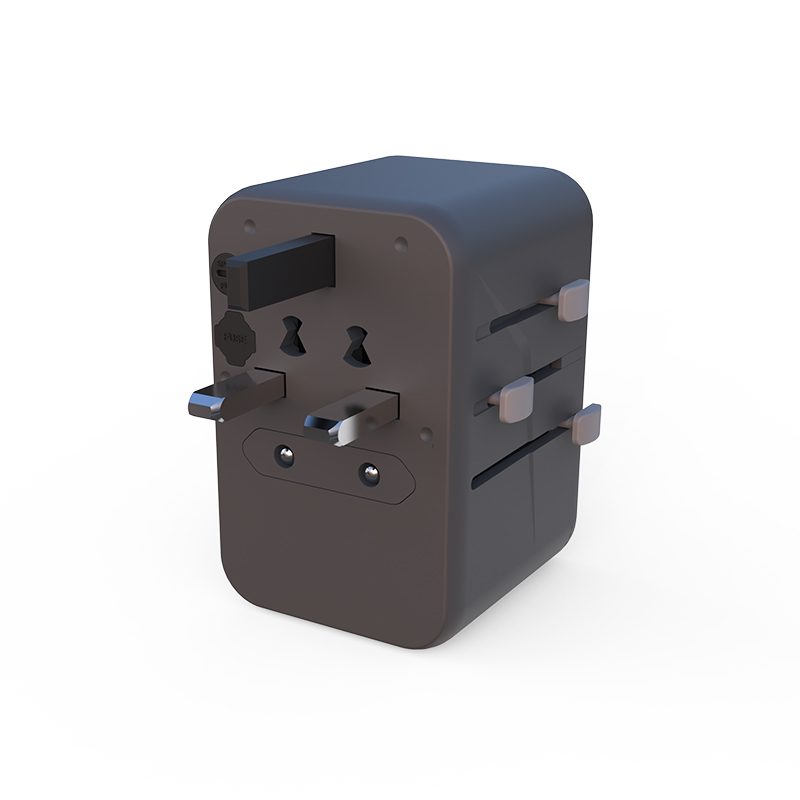
Planning a trip to Italy? Don't forget to pack the right travel adapter! Without the correct one, you may find yourself unable to charge your devices.
Italy has unique electrical requirements, which can cause potential damage to your electronics if you're not prepared. In this article, we'll help you understand Italy's electrical system and guide you in choosing the right travel adapter for a smooth, stress-free trip.
Understanding Italy's Electrical System
Voltage and Frequency in Italy
Italy operates on a 230V electrical supply, which is higher than the 120V typically used in the United States. This difference can lead to compatibility issues for electronic devices not designed to handle such voltage. Most modern electronics, like smartphones and laptops, are dual voltage, meaning they can adapt to both 120V and 230V systems. However, older devices, especially those with motors or heating elements (like hairdryers or curling irons), may be damaged if used without the proper voltage converter.
Another important factor is the frequency, which in Italy is 50 Hz. This is different from countries like the US, which use 60 Hz. The frequency can affect certain appliances, especially those with motors, like electric razors or some kitchen devices. Devices not designed to handle 50 Hz may malfunction or have reduced efficiency.
Types of Sockets in Italy
Italy uses three main types of sockets: Type C, Type F, and Type L. Each has distinct characteristics, which means the plug you bring must match the socket in your accommodation or other locations you visit.
Socket Type | Description | Compatibility |
Type C | Two round pins (small) | Common in Europe, works with Type F plugs |
Type F | Two round pins with earth clips | Also known as Schuko, compatible with Type C and L |
Type L | Three round pins | Common in Italy, supports only certain plugs |
● Type C: This is the most common plug in Italy, and it can fit into Type F and Type L sockets, making it highly versatile.
● Type F: Often found in modern outlets, especially in newer hotels, it allows for safe use of grounded devices with the side clips for grounding.
● Type L: This plug is unique to Italy and has three round pins. It's less common than Type C but still used in many places.
If you're traveling from countries that use different plugs (like the US or UK), you'll need a travel adapter to fit into these Italian sockets. The good news is that Type C is compatible with most of these outlets, making it the most reliable choice for travelers. However, for Type L and Type F, it's important to have an adapter that fits properly to avoid potential issues.
Knowing the voltage, frequency, and types of plugs used in Italy ensures you can safely use your electronics and avoid any electrical mishaps during your trip.
Do You Need a Travel Adapter for Italy?
Check Your Device's Voltage Compatibility
Before packing your devices for Italy, it's crucial to check if they are compatible with the country's electrical system. Italy uses a 230V supply, which is different from the 120V found in places like the United States. Many modern electronics, such as smartphones, tablets, and laptops, are dual voltage (100V-240V), meaning they can automatically adjust to the voltage in Italy. However, it's essential to verify this by checking the small print on your device’s power adapter. Look for labels like "Input: 100-240V" to confirm compatibility.
Devices like phone chargers, laptops, and cameras are generally safe to use in Italy without worrying about voltage, as they can handle the 230V supply. However, certain items such as hair dryers, curling irons, and electric razors are more sensitive. Many of these devices are designed for 120V systems and could be damaged if plugged directly into a 230V socket without a proper converter.
Here’s a quick checklist of devices that are typically safe and unsafe for use in Italy:
Device | Voltage Compatibility | Action Needed |
Smartphones | Dual Voltage (100V-240V) | No adapter needed |
Tablets | Dual Voltage (100V-240V) | No adapter needed |
Laptops | Dual Voltage (100V-240V) | No adapter needed |
Hair Dryers | Single Voltage (120V) | Voltage converter required |
Curling Irons | Single Voltage (120V) | Voltage converter required |
Electric Razors | Single Voltage (120V) | Voltage converter required |
When to Bring a Voltage Converter
While a travel adapter is essential for plugging in your devices, it doesn’t convert voltage. If your devices are not dual voltage and are designed for 120V (like some hair dryers or curling irons), you will need a voltage converter. This device steps down the 230V supply in Italy to 120V, making it safe to use your high-powered appliances.
However, carrying a voltage converter can be cumbersome. They are often heavy, bulky, and expensive. In addition, they may not be the most efficient for short trips. Some people opt to purchase local versions of the appliances they need. For example, you can easily buy a hair dryer in Italy that works with the 230V system, which eliminates the need to bring a heavy converter.
Here's a simple comparison of carrying a voltage converter versus purchasing a local device:
Option | Advantages | Disadvantages |
Voltage Converter | - Allows use of personal devices | - Heavy and bulky |
| - Useful for high-powered devices like hair dryers | - Expensive |
Purchasing a Local Device | - Lightweight and convenient | - Can be more expensive than a converter |
| - Eliminates the need for a converter | - You may not find the exact device you need |
In most cases, if your appliances are not compatible, purchasing a local version of the device might be more practical. However, for long-term travelers or those who want to keep using their existing devices, a voltage converter remains an option.
Tip: By understanding the voltage and power needs of your devices, you can make an informed decision about whether to carry a travel adapter, a voltage converter, or purchase a new device.

How to Choose the Right Travel Adapter for Italy
Plug Types and Compatibility
When traveling to Italy, it's essential to understand the types of plugs and sockets you'll encounter. Italy uses three main types of plugs: Type C, Type F, and Type L. Type C is the most common and works across all Italian socket types, making it the most versatile choice for travelers. Type F, also known as Schuko, is widely used in modern settings and has grounding clips for safety. Type L, though less common, is primarily used in Italy, featuring three round pins.
Here’s a quick breakdown of the plug types:
Socket Type | Description | Compatibility |
Type C | Two round pins (small) | Works in Type F and Type L sockets |
Type F | Two round pins with earth clips | Compatible with Type C and Type L plugs |
Type L | Three round pins | Only compatible with specific plugs |
A universal adapter might be the best option if you're traveling from countries with different plug standards. It can work across a variety of countries, offering flexibility and compatibility for all your devices.
Features to Look for in an Italy Travel Adapter
When choosing a travel adapter for Italy, certain features are essential to ensure safe and convenient use. One important consideration is the design of the adapter. Italy often has recessed sockets, meaning the adapter’s plug must fit snugly into the outlet without obstruction. Look for adapters with a slim and compact design to ensure they fit securely.
Additional features can enhance your experience as well. Many modern adapters include USB charging ports, which allow you to charge smartphones, tablets, and other devices directly, without needing extra chargers. Surge protection is another crucial feature, as it helps protect your devices from sudden voltage spikes, which can occur due to electrical fluctuations or storms.
Feature | Importance |
Slim Design | Fits recessed sockets, ensuring a secure connection |
USB Ports | Allows simultaneous charging of multiple devices |
Surge Protection | Safeguards devices from voltage surges |
Consider the Wattage Rating of Your Adapter
For travelers bringing high-power devices, it's important to check the wattage rating of your adapter. Wattage refers to the maximum amount of power the adapter can handle. Devices like hair dryers, irons, and other appliances with motors or heating elements require an adapter with a higher wattage capacity to prevent overheating or malfunction.
Before purchasing an adapter, always check your device's wattage requirement. For example, a typical hair dryer might need an adapter rated for at least 1,200 watts. Compare this to your adapter's maximum wattage rating to ensure compatibility.
To ensure you have the right adapter, you can check the wattage ratings on both your device's charger and the adapter you plan to buy. If your adapter can handle more than the required wattage, you'll have peace of mind during your travels.
Device | Wattage Rating | Required Adapter Wattage |
Hair Dryer | 800-1,200 watts | At least 1,200 watts |
Laptop Charger | 40-100 watts | At least 100 watts |
Electric Iron | 1,000-1,500 watts | At least 1,500 watts |
Choosing an adapter with the right wattage rating ensures that high-power devices like hair dryers or curling irons function properly without causing damage to either the device or the adapter itself.
Tips for Using Your Travel Adapter in Italy
Avoiding Common Pitfalls
When traveling to Italy, it’s essential to be aware of some common mistakes that can damage your devices or create safety risks. One of the most critical things to avoid is using non-dual voltage appliances in Italy. These devices, designed for 120V systems, can’t handle the 230V electrical supply in Italy and could overheat, catch fire, or even break down if plugged in without the proper voltage converter.
To ensure your devices function properly, always check whether they are dual voltage (100V-240V). Devices like laptops, smartphones, and tablets are typically dual voltage, so they are safe to use. However, high-powered items such as hair dryers, straighteners, or electric razors often aren't. For these, you’ll need a voltage converter in addition to your adapter.
Another important factor is ensuring your adapter fits securely in the socket. Italian outlets often have recessed designs, so a bulky or poorly designed adapter may not make a solid connection. Loose connections can lead to overheating or even sparks. Look for adapters with a compact and slim design to ensure a snug fit.
Pitfall | Tip |
Using non-dual voltage devices | Always check voltage compatibility (100V-240V) |
Loose adapter connection | Choose a slim and compact adapter for a secure fit |
Using Hotel-Supplied Devices
When staying in hotels or rented accommodations in Italy, many provide essential appliances like hair dryers, irons, and electric razors. Using these devices is not only convenient but also safe, as they are designed to be compatible with the local voltage and plug types.
Relying on hotel-provided devices can save you the hassle and cost of carrying heavy voltage converters, especially for short stays. Hotels typically supply high-quality appliances that work safely with the 230V system. If you’re traveling light, it's often best to leave your personal devices like hairdryers behind, as the hotel version will meet your needs without the risk of voltage damage.
However, if you prefer using your own appliances, be mindful of safety concerns. Always double-check that your devices are dual voltage before plugging them in. If they aren’t, using them in Italy without the proper adapter and converter could damage them. Moreover, relying on your own devices when traveling might pose risks in case of faulty wiring or incompatible voltage.
Hotel-Supplied Devices | Advantages |
Hair Dryers and Irons | Convenient, already compatible with Italian voltage |
Electric Razors | Safe to use, avoiding the need for personal devices |
In general, for a stress-free stay, use the hotel’s appliances whenever possible, especially if you’re concerned about the compatibility of your devices. But if you absolutely need to bring your own, make sure they are properly rated for Italy’s voltage.
Conclusion
Choosing the right travel adapter for Italy is essential for safely using your devices. Ensure your devices are dual voltage and check plug compatibility. For high-powered items, use voltage converters. Relying on hotel-provided devices is often safer. UE Electronic offers quality travel adapters that ensure safe and reliable device use. Their products provide excellent value, with features like surge protection and USB ports, making them a great choice for travelers.
FAQ
Q: What type of travel adapter do I need for Italy?
A: For Italy, you need a Travel Adapter that works with Type C, F, or L sockets. Type C is the most common and fits most outlets.
Q: Do I need a voltage converter for my devices in Italy?
A: If your devices are not dual voltage (100V-240V), you’ll need a Travel Adapter with a voltage converter to safely use them in Italy.
Q: Can I use my US plug in Italy?
A: US plugs are not directly compatible with Italian outlets, so you'll need a Travel Adapter to connect your devices.
Q: Are there Travel Adapters with USB ports for Italy?
A: Yes, many Travel Adapters for Italy come with USB ports, allowing you to charge multiple devices simultaneously.