In today's fast-paced world, charging technology is evolving rapidly. Have you heard of GaN chargers? These innovative devices promise faster charging and improved efficiency. But how do they affect battery health? Understanding GaN chargers is crucial for prolonging your device's life. In this post, you'll learn about GaN chargers, their impact on battery health, and why choosing the right charger matters.
GaN (Gallium Nitride) chargers have become a game-changer in charging technology. Unlike traditional silicon chargers, GaN chargers are smaller, more efficient, and generate less heat. Many users wonder if these advanced chargers are safe for their devices’ batteries. This article explores how GaN chargers interact with battery health, why they can be safer, and how UE Electronic’s product line provides high-performance solutions for both consumers and businesses.

What Is a GaN Charger and Why It Matters
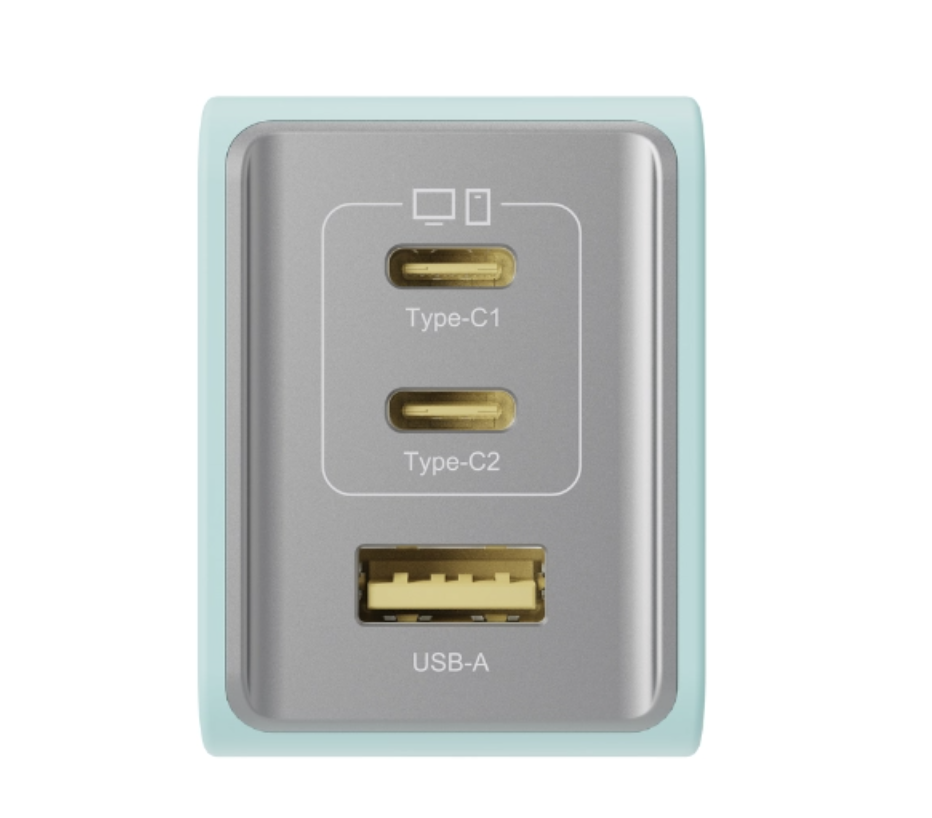
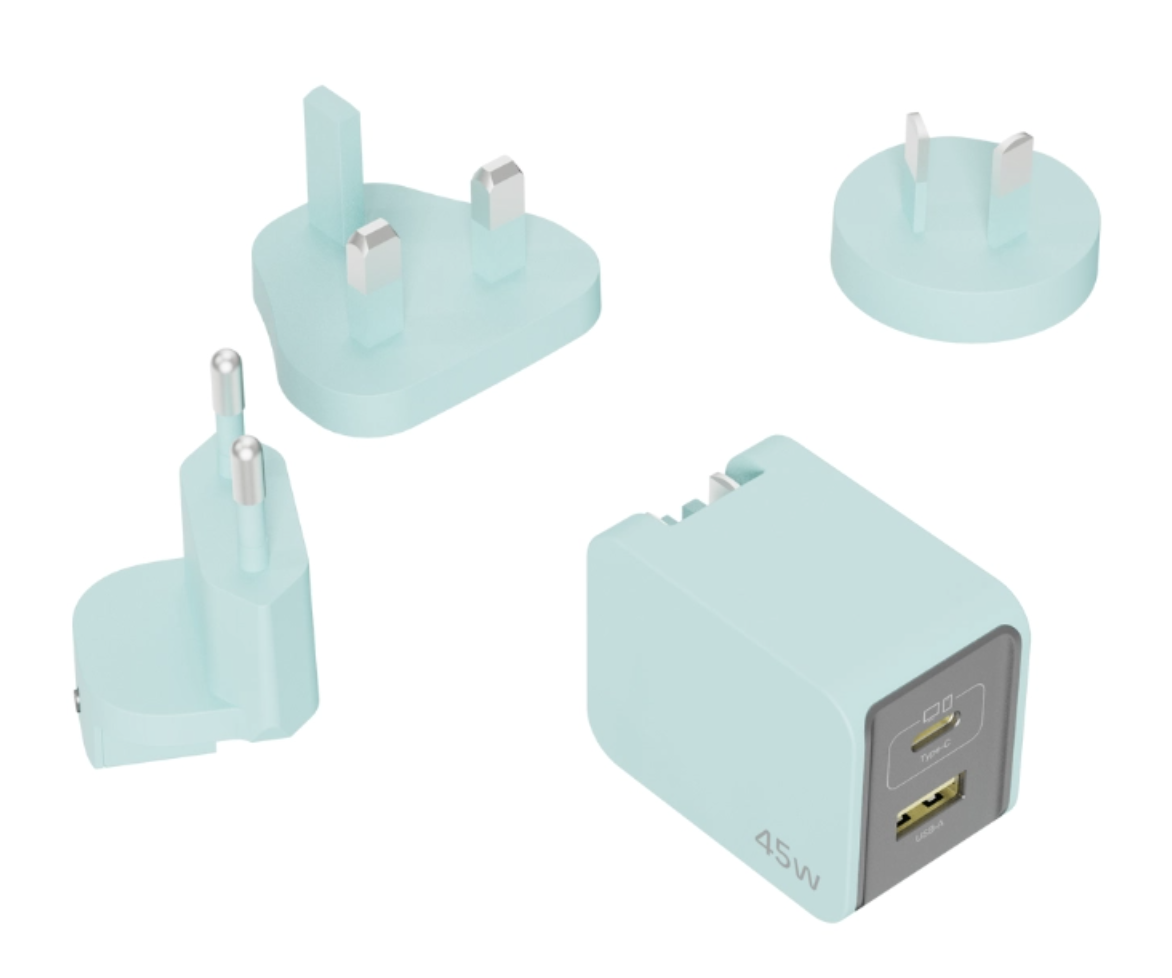
A GaN charger uses Gallium Nitride as a semiconductor instead of traditional silicon. GaN allows higher switching frequencies, better thermal efficiency, and smaller overall charger size. UE Electronic offers GaN chargers ranging from 45 W, 65 W, 100 W, to 140 W. These chargers include foldable plugs and interchangeable adapters for US, EU, UK, and AU outlets, making them ideal for international travel.
The advantage of GaN technology lies in reduced heat generation. High temperatures are one of the main factors in lithium-ion battery degradation. A cooler charger reduces voltage stress and heat accumulation in the device, which directly protects battery health. For example, a 100 W GaN charger delivering power to a laptop maintains lower surface temperature than an equivalent silicon charger, thereby reducing long-term wear on battery cells.
Note: Using a GaN charger not only provides faster charging but also creates a safer, more battery-friendly environment. For daily use or travel, a high-quality GaN charger ensures batteries remain healthy over multiple charging cycles.
How UE Electronic GaN Chargers Enhance Reliability and Battery Safety
UE Electronic’s GaN charger series is designed for reliability, efficiency, and multi-device compatibility. Their range supports USB-C PD, PPS, and QC protocols, ensuring fast and safe charging for smartphones, tablets, and laptops simultaneously.
High-quality internal components, such as solid-state capacitors and multi-layer PCBs, reduce wear and improve long-term durability. Combined with features like foldable plugs, the chargers are compact and travel-friendly. Crucially, stable voltage and current outputs reduce the stress on lithium-ion batteries, preventing overheating and extending battery lifespan.
Feature | UE Electronic GaN Charger | Traditional Charger |
Material | Gallium Nitride | Silicon |
Efficiency | >94% | 80–85% |
Heat Generation | Low | High |
Size | Compact, portable | Bulky |
Multi-device Support | Yes | Limited |
Tip: Selecting a charger with stable voltage, low heat, and reliable protection features is key to prolonging battery life. UE Electronic chargers deliver on all three fronts.
Thermal Efficiency and Heat Management
Thermal management is critical for battery longevity. High temperature accelerates chemical reactions inside lithium-ion batteries, leading to faster degradation. UE Electronic GaN chargers maintain low thermal output even during high-wattage multi-device charging.
These chargers achieve this through:
High-frequency GaN transistors that reduce energy loss
Optimized internal circuitry for heat dissipation
Intelligent current distribution for multiple devices
By maintaining cooler operating temperatures, GaN chargers help batteries operate within safe voltage and thermal limits. For example, a 100 W multi-port GaN charger can charge a laptop and two smartphones simultaneously while maintaining a temperature significantly lower than traditional silicon chargers. This prevents heat-induced battery wear and improves charging efficiency.
Note: Lower heat output is one of the main reasons GaN chargers are safer for long-term battery health compared to conventional chargers.

Multi-Device Charging and Portability
Modern users often need to charge multiple devices at once. UE Electronic’s GaN chargers provide high-power, multi-port solutions for laptops, smartphones, tablets, and even gaming devices. Models like the 100 W three-port charger allow simultaneous charging while intelligently distributing power based on each device’s needs.
Portability is another key advantage. Foldable plugs and interchangeable adapters mean users can travel internationally without multiple chargers. Fewer chargers reduce clutter and minimize the risk of overheating due to stacked devices or poor airflow.
Device | Power Requirement | UE Electronic GaN Support |
Laptop | 65–100 W | Supported |
Smartphone | 18–30 W | Supported |
Tablet | 30–45 W | Supported |
Gaming Device | 60–140 W | Supported |
Tip: For businesses or travel-heavy professionals, multi-device GaN chargers save space, improve safety, and maintain battery health across all devices simultaneously.
Key Features of UE Electronic GaN Chargers
1. Fast Charging with Safety
UE Electronic GaN chargers support USB-C PD, PPS, and QC fast-charging protocols. These protocols allow chargers to adjust voltage and current dynamically, reducing heat and stress on battery cells. Devices reach full charge faster without compromising longevity.
2. High Reliability and Longevity
With premium internal components and quality engineering, these chargers maintain stable output over thousands of cycles. Reinforced USB-C ports and solid-state capacitors ensure consistent performance, reducing the risk of overvoltage or short circuits.
3. Compact, Travel-Friendly Design
Foldable plugs, lightweight construction, and interchangeable adapters make GaN chargers ideal for mobile professionals. Despite small size, they maintain high wattage output safely.
Note: Combining high efficiency, thermal management, and portability ensures that GaN chargers not only charge devices faster but also extend the health and life of their batteries.
Choosing the Right GaN Charger for Battery Health
When selecting a GaN charger, consider:
1. Device Power Requirements: Match charger wattage to device needs. Phones need 45 W–65 W, laptops 65 W–100 W, and gaming notebooks 140 W.
2. Protocol Support: Ensure compatibility with PD, PPS, or QC for safe fast charging.
3. Thermal Management: Check for low-heat design to protect battery health.
4. Multi-device Needs: Multi-port chargers are ideal for reducing clutter and ensuring safe, simultaneous charging.
Specification | Recommendation |
Single Device | 45–65 W PD GaN Charger |
Laptop | 65–100 W PD GaN Charger |
Multi-device Travel | 100 W+ Multi-Port GaN Charger |
High Power Laptop/Gaming | 140 W GaN Charger |
Tip: Choosing a GaN charger that matches your devices and usage scenario ensures optimal battery protection while providing maximum efficiency.
Applications in Business and Travel
UE Electronic GaN chargers are ideal for B2B and travel applications:
Corporate environments: Multiple employees charging devices safely at desks or conference rooms.
Travel and mobile offices: Single compact charger supports laptops, phones, tablets, and portable gaming devices.
OEM/ODM solutions: Businesses can integrate custom-branded GaN chargers for employees or customers, ensuring consistency and safety across devices.
Note: Multi-port and multi-wattage capabilities make GaN chargers versatile for professional and consumer use, reducing device downtime and prolonging battery health.
Conclusion
A GaN charger enhances charging speed and efficiency while reducing heat, which helps extend battery lifespan. UE Electronic provides durable, high-quality chargers that deliver reliable power and safety. Choosing UE Electronic ensures your devices perform optimally and last longer.
FAQ
Q: What is a GaN charger, and how does it benefit battery health?
A: A GaN charger uses gallium nitride technology for faster, efficient charging. It reduces heat and stress on battery cells, prolonging battery lifespan.
Q: How does charging to 80% with a GaN charger improve battery lifespan?
A: Charging to 80% reduces voltage stress and heat, which are further minimized by a GaN charger's efficiency, helping extend battery life.
Q: Why might someone choose to charge their device to 100% instead of 80%?
A: Charging to 100% is useful for long trips or heavy usage, giving maximum battery capacity, though it may increase wear compared to 80% charging.
Q: Are GaN chargers more expensive than traditional chargers?
A: GaN chargers can be slightly more expensive due to advanced technology, but their efficiency and ability to prolong battery life justify the cost.