Traveling internationally can be exciting, but there’s one common frustration many face—finding the right travel adapter. Without it, charging your devices becomes a challenge. In this guide, we’ll help you navigate the process of choosing the best adapter for your needs. You’ll learn key considerations and how to ensure compatibility, safety, and convenience while traveling.
Why Is Choosing the Right Travel Adapter Important?
Travel Adapter Compatibility
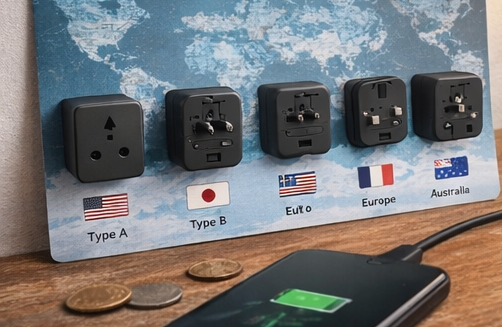
When traveling internationally, one of the first things you need to consider is travel adapter compatibility. Different countries use different types of power outlets, and the plug shape of your device may not fit into the socket at your destination. Without the proper adapter, you won’t be able to charge or power your electronics. Here's a quick overview of some of the most common plug types used globally:
Plug Type | Regions Used | Description |
Type A/B | North and Central America, Japan | Type A has two flat parallel pins; Type B includes a third round pin for grounding. |
Type C/E/F | Europe, Asia, Africa | Type C (Europlug) has two round pins, widely used across regions. |
Type G | UK, Ireland, Hong Kong, Singapore | Features three rectangular pins, commonly used in the UK and related areas. |
Type I | Australia, New Zealand, China | Two flat angled pins with a grounding pin, used in several countries like Australia. |
Each country may use one or more of these plug types depending on their electrical standards. Ensuring that your travel adapter fits the local outlets is key to avoiding charging issues during your travels.
Voltage Considerations
It’s important to note that travel adapters do not alter the voltage of the electricity supplied by a power outlet; they only change the plug shape. Voltage is a crucial factor to consider when traveling, as not all countries use the same voltage. For instance, North America typically uses 110V, while many countries in Europe, Asia, and Africa use 220V-240V.
If your device is dual-voltage, it will work in both 110V and 220V regions, and a travel adapter is sufficient. Common dual-voltage devices include smartphones, tablets, and laptops, which are designed to handle a range of voltages. However, if you're traveling with a single-voltage device, such as a hairdryer or electric razor, which only works on 110V, you will need both a travel adapter and a voltage converter to safely use your device abroad.
To make sure your device is compatible with local voltage, always check its voltage rating. Look for markings on the device or its charger that indicate the voltage range, such as "100-240V." If the device is single-voltage (e.g., 120V only), you will need a voltage converter to prevent damage when plugging it into a 220V outlet.
Convenience and Cost Efficiency
Selecting the right travel adapter can make your journey more convenient and cost-effective. By choosing an adapter that matches your travel needs, you can avoid carrying multiple adapters or buying new ones at each new destination.
● One Adapter for Multiple Countries: A universal travel adapter is a great investment for travelers visiting several countries. It works in multiple regions, eliminating the need to carry different adapters for each destination.
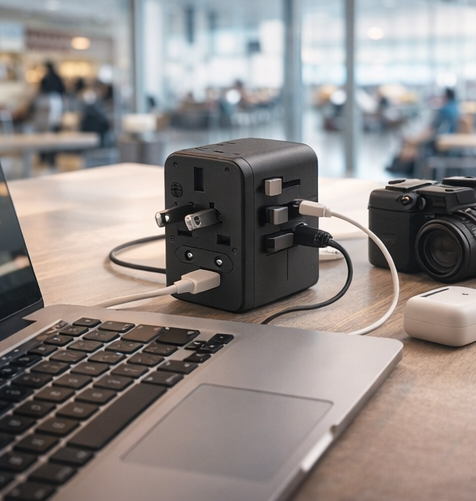
● Multiple Devices Charging: Many adapters now come with built-in USB ports, allowing you to charge multiple devices simultaneously without needing extra chargers. This feature is particularly useful for travelers with several devices, such as smartphones, laptops, and cameras.
● No Extra Purchases Abroad: Instead of scrambling to find and buy an adapter at your destination, investing in a universal travel adapter before your trip saves you money and time. A single adapter can work for your entire trip, making it a more cost-efficient option.
Understanding Different Plug Types and Where They Are Used
Global Plug Types
Understanding the various plug types used around the world is crucial for selecting the right travel adapter. There are 15 recognized plug types globally, each designed to fit different power outlets. Below are the most common ones you’ll encounter:
● Type A: Common in North and Central America and Japan. It has two flat parallel pins.
● Type B: Similar to Type A but with a third round pin for grounding. Used in North America and parts of Japan.
● Type C: A two-pin plug used across Europe, Asia, and parts of Africa. This is the most widespread type and is often called the "Europlug."
● Type G: Found in the UK, Ireland, Hong Kong, and Singapore. It has three rectangular pins and is known for its built-in fuse.
● Type I: Used in Australia, New Zealand, and China, with two flat angled pins and a grounding pin.

It’s important to know the plug types used in the countries you’ll be visiting to ensure that your travel adapter will be compatible. Many modern adapters cover multiple types, but some regions still have specific requirements that need to be addressed.
Which Plug Type Does Your Destination Use?
Before traveling, you should research the plug types used in the country or countries you’ll be visiting. Here's how to determine which adapter you need:
1. Check Online Resources: Websites like the International Electrotechnical Commission (IEC) and World Standards provide detailed charts on plug types and voltage for every country.
2. Consult Your Accommodation: Many hotels, rental properties, and guesthouses provide information about electrical compatibility, and some may even offer adapters for guests.
3. Use Travel Guides or Apps: Many travel apps and guides feature plug type information for popular destinations.
Choosing the Right Adapter for Your Destination
Single-Region Adapters
For travelers heading to just one country, a single-region adapter is often the most affordable and compact choice. These adapters are designed specifically for the plug types used in a single country, making them lightweight and easy to carry. They are ideal if you plan to stay within one destination or region during your trip.
However, if your travel plans change and you need to visit multiple countries, you would need additional adapters. Single-region adapters are best suited for short trips where you don’t need the flexibility of using one adapter across multiple countries.
Multi-Region Adapters
If you’re traveling to multiple countries within a specific region, such as Europe, Asia, or North America, a multi-region adapter offers more versatility. These adapters support several plug types commonly used in a specific region, making them a convenient choice for regional travel.
Although slightly bulkier than single-region adapters, multi-region models are still portable and suitable for trips across countries with similar plug types. They allow you to charge your devices in several destinations without the hassle of buying new adapters for each country.
Universal Adapters
For those who travel frequently to various destinations around the world, a universal travel adapter is the best solution. Universal adapters are designed to work in over 150 countries, making them ideal for frequent travelers. They accommodate a wide range of plug types, ensuring that your devices stay powered no matter where you are.
Although universal adapters are slightly larger and heavier than other types, their ability to cover multiple destinations makes them an excellent choice for long-term travelers. Many universal adapters also include USB ports, allowing you to charge multiple devices at once, which is particularly helpful for tech-savvy travelers who carry several gadgets.
Key Features to Look for in a Travel Adapter
USB Charging Ports
A travel adapter with USB charging ports is essential for modern travelers. Many devices, such as smartphones, tablets, and cameras, rely on USB ports for charging. Having an adapter with built-in USB-A and USB-C ports means you can charge multiple devices simultaneously without the need for additional chargers. This feature is especially useful for travelers who carry several devices and want to streamline their charging process.

Compact Size and Portability
When selecting a travel adapter, size and portability should be a priority. A compact design ensures the adapter won’t take up much space in your luggage, making it easy to carry around. Many modern adapters are designed to be lightweight and foldable, reducing their overall bulk when not in use. A small, portable adapter is ideal for keeping your travel essentials organized and minimizing the weight of your luggage.
Fast Charging Capabilities
If you're traveling with high-power devices like laptops or tablets, a travel adapter with fast charging capabilities is essential. Look for adapters with Power Delivery (PD) and GaN (Gallium Nitride) technology, which allow for quicker and more efficient charging. These technologies help deliver the necessary voltage for devices like laptops, enabling faster charge times and more efficient energy usage.
Surge Protection and Safety Certifications
Safety is an important factor when choosing a travel adapter. Adapters with surge protection help prevent your devices from being damaged by sudden power surges or electrical spikes. Additionally, look for safety certifications, such as CE, FCC, or RoHS, which ensure the adapter meets international safety standards and is tested for reliable performance.
Voltage Compatibility: Do You Need a Converter or Just an Adapter?
What is the Difference?
A travel adapter changes the plug shape but does not alter the voltage. If you're traveling to a country with a different voltage standard, you may need a voltage converter in addition to the adapter to prevent damage to your devices.
Dual-Voltage Devices vs. Single-Voltage Devices
● Dual-Voltage Devices: Most modern electronics, like smartphones and laptops, are dual-voltage, meaning they can handle both 110V and 220V. If you have dual-voltage devices, a travel adapter will suffice.
● Single-Voltage Devices: Devices such as hairdryers or electric shavers may be single-voltage and only work on 110V. If you're traveling to a country with a different voltage (e.g., 220V), you'll need a voltage converter.
Checking Voltage Compatibility
● Check the Device Label: Ensure that your device can handle different voltages. If the label says “100-240V,” you only need an adapter.
● Check the Adapter’s Specifications: Make sure your adapter supports the required voltage range for your destination.
Conclusion
Choosing the best travel adapter is crucial for a smooth travel experience. It ensures compatibility with local power outlets, safeguards your devices, and provides convenience with features like multiple USB ports. UE Electronic offers high-quality adapters, ensuring safety and reliable charging for multiple devices. By selecting the right adapter, you can avoid frustration and keep your devices powered wherever you go.
FAQ
Q: What is a travel adapter and why is it necessary for business travel?
A: A travel adapter is a device that allows your electronics to connect to different power outlets when traveling internationally. It’s essential for businesses with global operations to ensure their equipment stays powered across various regions.
Q: How do I choose the right travel adapter for my company’s international operations?
A: Consider the plug types, voltage requirements, and the number of devices needing charging. A universal travel adapter can provide the flexibility to support multiple countries and equipment types.
Q: What are the cost considerations when purchasing travel adapters in bulk for a business?
A: While travel adapters may seem inexpensive, bulk purchasing can offer cost savings. Opt for durable, high-quality adapters with multiple charging ports to reduce long-term costs.
Q: How do travel adapters impact operational efficiency during business travel?
A: The right travel adapter ensures uninterrupted operations by allowing employees to keep their devices charged, preventing downtime and enhancing productivity during international trips.