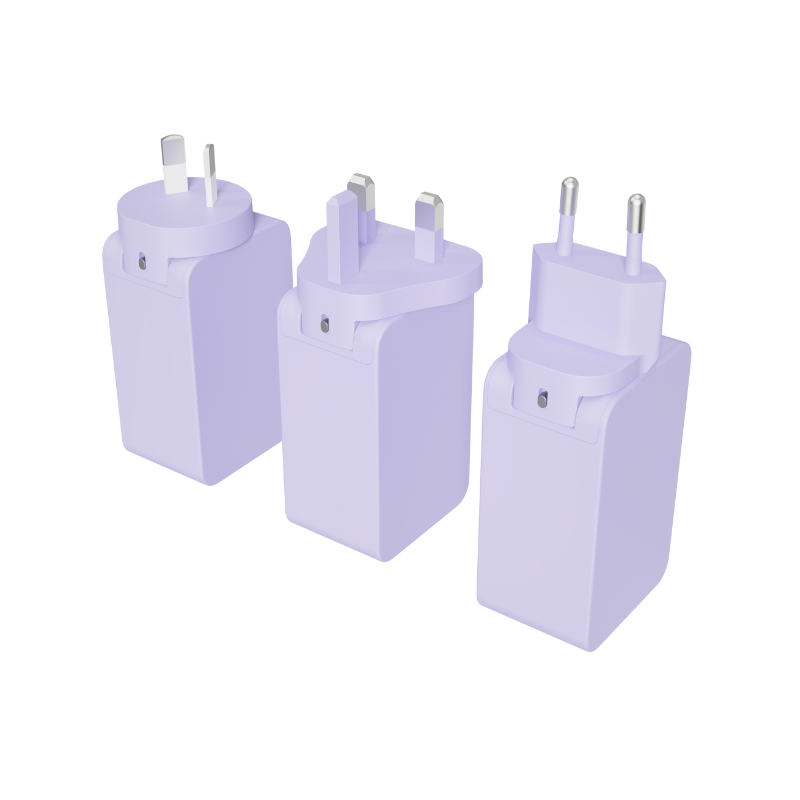
Sourcing unverified power delivery devices carries severe liability and operational risks. You face potential product recalls, devastating electrical fires, and blocked customs shipments. The USB-C and power delivery market currently suffers from a massive flood of counterfeit safety marks. You make a critical sourcing error when you rely solely on packaging logos. Unscrupulous factories often print fake symbols on generic housings to bypass strict border checks. We designed this article as a practical, skeptical-friendly framework to evaluate vendors effectively. You will learn how to verify legitimate marks and protect your significant financial investments. We provide actionable steps to ensure every product entering your supply chain meets mandatory global regulations.
Key Takeaways
Legitimate manufacturers expect and welcome requests for original, verifiable certification documents.
North American buyers must prioritize NRTL marks (UL or ETL) and FCC compliance; European buyers require CE and RoHS.
Power strips demand stricter localized testing protocols compared to low-voltage, standalone USB chargers due to AC current handling.
Validating a product’s safety compliance requires cross-referencing the manufacturer’s registration numbers directly in official testing laboratory databases.
The Liability Realities of Ignoring Safety Compliance
Ignoring mandatory regulations brings catastrophic consequences for importers, distributors, and retailers. The tangible business risks extend far beyond simple administrative fines. Port authorities routinely seize non-compliant inventory during routine customs inspections. These seizures result in total loss of product and significant shipping delays. Furthermore, major digital marketplaces aggressively enforce compliance crackdowns. Amazon regularly bans seller accounts and removes listings when merchants fail to provide valid testing documentation. You also face direct legal liability for property damage or personal injury if a faulty device causes an electrical fire.
You cannot rely on visual logos printed on product packaging. Counterfeit markings deceive many novice buyers. For example, factories frequently manipulate the "CE" mark. They use a slightly altered logo to mean "China Export" rather than the mandatory "Conformité Européenne" declaration. Unauthorized use of UL marks on white-labeled goods remains equally prevalent. A factory might use a genuine mark on an unverified, redesigned internal circuit board. This deceptive practice invalidates the original testing framework completely.
You must view stringent certification checks as a mandatory baseline for vendor evaluation. Validating safety compliance is never just a bureaucratic hurdle. It represents the foundation of a reliable supply chain. Legitimate factories invest heavily in testing protocols and engineering standards. They proudly share their documentation. Vendors who hesitate or provide excuses during document requests usually hide fundamental product flaws. Treating compliance validation as a non-negotiable step protects your brand reputation and your financial bottom line.
Core Charger Safety Certifications by Global Market
Different regions enforce distinct regulatory frameworks to guarantee consumer safety. You must understand these geographical requirements to navigate global procurement successfully. Selling a non-compliant device in a highly regulated market guarantees swift legal penalties.
North American Requirements (USA & Canada)
The North American market demands rigorous testing by recognized laboratories. OSHA requires all electrical equipment used in workplaces to carry a mark from a Nationally Recognized Testing Laboratory (NRTL). While buyers often request a UL charger by name, an ETL-certified device provides the exact same level of legal safety compliance. Both Intertek (ETL) and Underwriters Laboratories (UL) test products against the identical safety standards. You should accept either mark confidently during vendor evaluations.
Electromagnetic compatibility represents another critical legal requirement. You must source a certified FCC charger for the US market. The Federal Communications Commission mandates this rating to prevent electromagnetic interference. Without FCC certification, your device might disrupt wireless communications, medical equipment, or other critical hardware nearby. U.S. Customs actively screens for FCC compliance upon importation.
Energy efficiency standards also dictate product viability. The Department of Energy (DoE) enforces the Level VI mandatory energy efficiency standard for external power supplies. This regulation minimizes standby power consumption. Your imported chargers must meet DoE Level VI criteria to enter the United States legally.
European Union and UK Requirements
European regulations rely on manufacturer declarations backed by stringent technical files. The CE mark serves as a mandatory declaration of conformity for the European Union. Similarly, the UKCA mark functions as the equivalent requirement for the United Kingdom post-Brexit. You cannot legally place electronic goods on these markets without these marks. Sourcing a legitimate CE charger requires verifying the technical documentation behind the symbol.
The CE mark relies on two primary directives for power supplies. The Low Voltage Directive (LVD) ensures electrical safety within specific voltage limits. The Electromagnetic Compatibility (EMC) Directive ensures the device does not emit unacceptable electromagnetic interference. Both directives demand comprehensive laboratory testing before a manufacturer can legally apply the CE mark.
Global Certification Standards Comparison
Market Region
Primary Safety Mark
Electromagnetic Standard
Energy Efficiency Standard
United States
UL / ETL (NRTL)
FCC Part 15
DoE Level VI
European Union
CE (LVD Directive)
CE (EMC Directive)
ErP / EcoDesign
United Kingdom
UKCA
UKCA (EMC)
UK EcoDesign
Canada
cUL / cETL / CSA
ICES
NRCan
Evaluating a RoHS Power Strip: Stricter AC Standards
Power strips handle high-voltage alternating current (AC) directly from the wall. They require much stricter localized testing protocols compared to low-voltage, standalone USB chargers. You must apply different evaluation criteria when sourcing these complex devices.
A multi-outlet power strip featuring integrated USB ports requires distinct, combined safety evaluations. The product bridges two different electrical domains. The AC outlets must pass rigorous testing for relocatable power taps, typically under standards like UL 1363. Meanwhile, the integrated DC USB charging circuitry falls under Audio/Video and ICT equipment standards, such as UL 62368-1. Your supplier must provide documentation proving compliance across both domains. A failure in either section compromises the entire unit.
Surge protection claims require careful technical verification. Many manufacturers print generic "surge protected" marketing claims on packaging without substantiating them. You need to verify specific joule ratings and clamping voltages. A reliable device will undergo testing under standards like UL 1449 for transient voltage surge suppressors. Always request the exact clamping voltage data rather than accepting vague marketing copy.
Environmental compliance plays a massive role in global distribution. You must prioritize sourcing a certified RoHS power strip. The Restriction of Hazardous Substances (RoHS) directive guarantees the absence of dangerous materials like lead, cadmium, and mercury. Eco-compliance ensures safe disposal and recycling at the end of the product lifecycle. Customs officials across Europe and select US states heavily restrict non-RoHS compliant electronics.
How to Verify Claims and Request Certification Documents
Obtaining basic proof from a vendor is merely the first step. You must actively investigate the paperwork they provide. Establishing a strict verification workflow prevents costly supply chain disasters.
The Verification Checklist
Do not accept summarized documents at face value. Implement the following verification steps for every new vendor:
Demand Full Test Reports: Instruct your sourcing team to request comprehensive laboratory reports. Do not settle for front-page summary certificates. Full reports detail the exact testing conditions and specific components analyzed.
Check the Dates and Scope: Regulatory standards evolve continuously. Highlight the risk of expired certificates during your review. Ensure the documentation covers the fully assembled device. Sometimes, a deceptive vendor provides a certificate covering only a specific, outdated internal component.
Match the Model Numbers: Always cross-reference the exact model numbers on the certification documents against the physical product housing. Verify these numbers against the factory’s official catalog. Any discrepancy renders the documentation legally useless for your specific order.
Common Mistake: Accepting a certificate issued to a completely different company without requesting a Multiple Listing document. If the vendor uses another factory's paperwork, you must prove the legal relationship between the two entities.
Using Official Databases
Visual inspection of a PDF document is never foolproof. You must validate the information directly with the issuing authority. This represents the most critical step in evaluating charger safety certifications. Take the manufacturer's control number or file number listed on the document. Enter this specific number into the official UL Product iQ database or the Intertek (ETL) online directory. If the database returns no results, or if the product details do not match your exact specifications, you are likely dealing with falsified documents. Stop all negotiations immediately if this occurs.
Vendor Shortlisting Logic for High-Volume Buyers
Evaluating the vendor's behavior during the compliance check reveals their overall operational maturity. You can use their responses to filter out unreliable partners quickly.
Assess their supply chain transparency from the very first interaction. A trustworthy vendor provides compliance paperwork within 24 to 48 hours without friction. They maintain organized digital files of all testing reports. Hesitation, excuses, or delays serve as major red flags. If they struggle to produce a basic CE declaration, they will certainly fail to resolve complex manufacturing defects later.
Look for demonstrated global compatibility capabilities. Prioritize factories that show deep experience navigating dual certifications. A top-tier manufacturer can produce both a UL-listed US version and a CE-marked EU version utilizing the same core chassis design. This capability indicates robust engineering talent and a profound understanding of international standards. It allows you to scale your brand globally using a single reliable partner.
Demand insurance and accountability. Ask potential suppliers if they hold global product liability insurance. Established, compliant manufacturing facilities carry this coverage as standard practice. A factory holding multi-million dollar liability insurance demonstrates a high level of confidence in their engineering safety. It provides you with a crucial safety net if an unforeseen catastrophic product failure occurs.
Conclusion
Evaluating power supply compliance serves as a core protective measure for your business. It guarantees the end-user's physical safety and secures the buyer's financial investments against customs seizures and liability lawsuits. You must adopt a permanent "trust but verify" stance during all procurement activities. Make rigorous document validation the non-negotiable first gate in your sourcing process. Always cross-reference control numbers in official NRTL databases, demand full testing reports, and ensure model numbers match perfectly. Take action today to audit your current supply chain. Contact our compliance team for properly vetted, globally certified power solutions, or download our comprehensive buyer's evaluation checklist to streamline your next procurement cycle.
FAQ
Q: Is an ETL certification as good as a UL certification?
A: Yes. Both are OSHA-recognized Nationally Recognized Testing Laboratories (NRTLs). They test products to the exact same safety standards. Legal authorities and marketplaces accept both marks equally.
Q: Can a product be sold legally in the US with only a CE mark?
A: No. CE is specifically a European standard. The US market legally requires FCC compliance for electromagnetic emissions. Additionally, commercial or retail viability in the US typically demands an NRTL mark like UL or ETL.
Q: What happens if certification documents are in the factory's name, not the vendor's?
A: This situation is common in standard OEM/ODM relationships. However, buyers must request a "Multiple Listing" correlation document. This official paperwork legally links the vendor's specific brand name to the factory's originally certified test results.
UE Electronic is a power supplier integrating R&D, production and sales. We maintain a leading level in extension cord and GaN charger.We are committed to becoming a global power supplier.