Introduction
Chargers have become essential for powering our smartphones, tablets, and laptops every day. Yet, many people are confused about the difference between GaN and PD chargers. Instead of comparing which one is “better,” it’s more important to understand their roles and how they complement each other.
In this article, we’ll explain the differences between PD and GaN technology, and highlight why combining them—PD + GaN—delivers the most efficient, smart, and portable charging solution.

Understanding GaN and PD Chargers
What is a GaN Charger?
A GaN charger is a modern charging device that uses Gallium Nitride semiconductors instead of the traditional silicon components found in older chargers. GaN is a hardware material upgrade rather than a charging protocol, helping chargers become smaller, cooler, and more efficient. This innovative material allows chargers to operate more efficiently, run cooler, and remain smaller in size, making them highly portable for everyday use. For decades, traditional silicon chargers were bulky, heavy, and generated excessive heat during operation, limiting their convenience and efficiency. GaN technology addresses these problems by handling higher voltages and switching speeds, which improves energy transfer and reduces wasted power.
GaN chargers convert AC to DC efficiently while producing minimal heat. High-frequency operation allows components to be placed closer together, resulting in a compact yet high-performance charger. This combination of material and design leads to tangible benefits for users: smaller size for easier portability, lighter weight for travel, higher energy efficiency to save electricity, and reduced heat for safer device charging. Most GaN chargers range from 30W to 140W, supporting smartphones, tablets, laptops, and multi-device charging setups. Their versatility and efficiency make them ideal for users who value both speed and convenience in a compact package.
Feature | GaN Charger Example |
Material | Gallium Nitride |
Size | Compact |
Heat | Low |
Power Range | 30W–140W |
Best For | Travel, multi-device, high-speed charging |
What is a PD Charger?
A PD charger uses the Power Delivery (PD) protocol, a smart charging standard that allows devices and chargers to communicate for optimal power delivery. Instead of delivering a fixed voltage, a PD charger dynamically adjusts voltage and current according to the device's requirements. PD is a smart fast-charging protocol that provides safe, adaptive power delivery for a wide range of USB-C devices. This intelligent negotiation ensures that devices charge quickly, safely, and efficiently. PD technology has become a global standard, especially for USB-C devices, enabling fast and reliable charging across smartphones, tablets, laptops, and other modern electronics.
When a device is plugged into a PD charger, it signals its power needs. The charger responds by delivering the exact amount of power required, preventing overheating, overcharging, and potential battery damage. PD chargers typically provide 18W to over 100W of power, making them suitable for everything from small smartphones to high-powered laptops and gaming devices. Their USB-C exclusivity supports variable voltage and intelligent handshakes, ensuring maximum charging efficiency. With broad compatibility, PD chargers remain a versatile and safe solution for a wide range of devices, ideal for anyone seeking consistent fast charging without the bulk of older silicon-based chargers.
Feature | PD Charger Example |
Protocol | Power Delivery |
Connector | USB-C Only |
Power Range | 18W–100W+ |
Compatibility | Smartphones, tablets, laptops |
Best For | Safe, fast, versatile charging |
How GaN and PD Work: Step-by-Step
A GaN charger operates using Gallium Nitride semiconductors, which allow power conversion to be highly efficient. It first converts AC power from the wall into DC power. Then, a high-frequency inverter made with GaN transforms this DC into a high-frequency AC signal. This high-frequency operation provides multiple advantages. Components can be packed closer together, reducing the overall size of the charger. Energy loss is minimized, keeping the device cooler, while lower electromagnetic interference ensures nearby electronics are not affected. This makes GaN chargers compact, powerful, and safe at the same time. The steps include AC to DC conversion, high-frequency inversion using GaN semiconductors, and output smoothing to provide stable DC power to devices.
PD chargers work differently, focusing on intelligent communication with connected devices. When you plug a device in, the charger and device perform a "handshake," exchanging information about power requirements. The charger then dynamically adjusts voltage and current to safely deliver the optimal power. This enables fast charging, prevents overcurrent and overheating, and ensures compatibility with multiple devices such as phones, tablets, and laptops. Unlike traditional USB-A chargers that provide fixed power, PD chargers adapt intelligently, making them safer, faster, and more versatile. The steps include the handshake, variable power delivery, and safe fast charging.

GaN vs PD Charger: Key Differences
Technology vs Protocol – Understanding the Core Difference
The main difference between GaN and PD chargers lies in what they focus on. GaN is all about hardware and the material inside the charger, while PD is a smart software protocol that controls how power is delivered. Imagine it like this: GaN is the engine, and PD is the computer software managing that engine. Many modern chargers combine both, creating a GaN + PD charger that delivers maximum efficiency, smart charging, and high performance in one compact unit. This combination ensures that the charger can handle more power, operate efficiently, and adapt to different devices automatically.
Feature | GaN Charger | PD Charger | GaN + PD Charger |
Focus | Hardware / material | Software / protocol | Hardware + Protocol |
Smart Charging | No | Yes | Yes |
Efficiency | High | Medium | High |
Device Adaptability | Depends on protocol | High | High |
Size, Weight, and Portability Comparison
One of the most noticeable differences is size and portability. GaN chargers are typically smaller, lighter, and easier to carry around, making them perfect for travel or carrying in a bag. Silicon-based PD chargers, on the other hand, tend to be bulkier and heavier, which can make them less convenient for daily carry or multi-port setups. For users who prioritize portability, GaN technology offers a clear advantage, especially when high wattage is required in a compact form factor.
Charging Speed Comparison
When it comes to charging speed, GaN chargers excel due to their high power density. They can charge devices up to three times faster than traditional chargers. PD chargers deliver variable voltage and current according to device requirements, which allows fast charging but usually depends on the device and protocol version. In practical terms, PD chargers can charge devices two to four times faster than older chargers, while GaN + PD chargers combine the strengths of both technologies to deliver the fastest possible charge safely and efficiently.
Charger Type | Max Charging Speed | Notes |
GaN | 3× standard | High power density, compact design |
PD | 2–4× standard | Depends on device and PD protocol |
GaN + PD | Fastest | Combines efficiency and smart power |
Device Compatibility and Connector Types
Compatibility is another key difference. GaN chargers often come with both USB-C and USB-A ports and support multiple fast-charging protocols such as PD, Quick Charge (QC), and PPS. PD chargers primarily rely on USB-C ports to enable their intelligent power negotiation and support protocols like PD 3.0/2.0, QC, and Huawei Fast Charge. While both can charge a wide range of devices, GaN chargers with multi-port and multi-protocol support offer more flexibility for users with mixed device types.
Compatibility depends on the charging protocol (e.g., PD), not the GaN material itself. A PD + GaN charger offers both wide compatibility and high efficiency.
Heat Management and Energy Efficiency
GaN chargers produce less heat thanks to their high efficiency, resulting in smoother energy transfer and lower energy waste. This allows them to operate cooler even under high loads. PD chargers’ efficiency depends on the internal components; silicon-based designs can generate more heat, especially at high wattages, which may require additional cooling considerations. Combining GaN with PD provides both smart power delivery and efficient thermal management, keeping devices safe and the charger durable.
Feature | GaN Charger | PD Charger | GaN + PD Charger |
Heat Generation | Low | Medium | Low |
Efficiency | High | Medium | High |
Cooling Needed | Minimal | Moderate | Minimal |
Safety and Backward Compatibility
Safety is an important advantage of PD and GaN + PD chargers. They communicate with devices to provide only the power needed, preventing overheating or damage to batteries. This also makes them backward-compatible with older devices that don’t support fast charging. GaN + PD chargers combine the efficiency of GaN with PD’s intelligent negotiation, ensuring fast, safe, and universal charging across a wide range of devices, from smartphones to laptops and legacy electronics alike.
Feature | GaN Charger | PD Charger | GaN + PD Charger |
Device Communication | Optional | Yes | Yes |
Safe for Older Devices | Partial | Yes | Yes |
Universal Compatibility | Limited | High | High |
Safety is determined by PD protocol, while GaN improves thermal performance—so PD + GaN provides the safest and most durable charging experience.

GaN + PD: Why Combining Both Technologies is Optimal
Combining GaN technology with the PD protocol brings the best features of both types into a single charger. It merges compact design, high efficiency, and intelligent charging, making it ideal for modern electronics. GaN + PD chargers are lightweight and easy to carry, while delivering high-efficiency power that charges devices quickly with minimal heat. They communicate with devices to optimize voltage and current, ensuring safe and fast charging. These chargers support multiple devices, protocols, and port types, making them universally compatible.
Use cases for GaN + PD chargers are diverse. They work for laptops and ultrabooks requiring high wattage, smartphones and tablets for daily fast charging, multi-port travel adapters, and even gaming consoles or USB-C monitors needing stable, high-power delivery. Features like compact size, efficient energy transfer, multi-device compatibility, and flexible port types make them perfect for travel and multi-device setups.
Future-proofing is another key advantage. GaN + PD chargers handle upcoming devices and higher wattages, remain compatible as USB-C adoption grows, and support new fast-charging protocols. Investing in a GaN + PD charger reduces the need for multiple chargers and ensures you can power all your devices efficiently, safely, and conveniently.
GaN vs PD Charger: Which One Should You Choose?
Choosing the right charger depends on device types, charging speed, portability, and budget. High-power laptops benefit from GaN or GaN + PD chargers, while smartphones and tablets can work with PD chargers but gain faster charging from GaN efficiency. If quick full charging is essential, GaN or GaN + PD chargers offer higher wattages. Compact GaN chargers are easier to carry during travel. PD chargers are usually more affordable but bulkier, while GaN chargers deliver superior performance and efficiency.
Different scenarios suit different chargers. GaN-only chargers excel for travel and high-efficiency needs, offering fast charging in a small, lightweight package. PD-only chargers are ideal for cost-conscious users at home or in the office, providing safe fast charging for most USB-C devices. The combination of GaN + PD is best for multi-device, high-power setups, supporting laptops, phones, tablets, and other gadgets simultaneously, while remaining compact and energy-efficient.
| Charger Type | Best For | Pros | Cons |
| GaN Only | Travel, high efficiency | Compact, lightweight, fast | Higher cost |
| PD Only | Home/office, budget-conscious | Compatible with USB-C, affordable | Bulkier, less efficient |
| GaN + PD | Multi-device, future-proof | Compact, fast, smart, versatile | Higher price, advanced tech |
Recommended Products
Choosing a reliable charger can be challenging. Not every charger delivers consistent power or protects your devices properly. For those seeking efficiency, safety, and portability, several top options stand out for GaN, PD, and combined GaN + PD technologies.
Top GaN chargers are ideal for compact, high-power, and energy-efficient charging. They often support multiple ports and include safety features like over-voltage or over-current protection.
PD chargers excel in universal compatibility and intelligent power delivery. They communicate with devices to provide the exact voltage and current needed, ensuring safe fast charging.
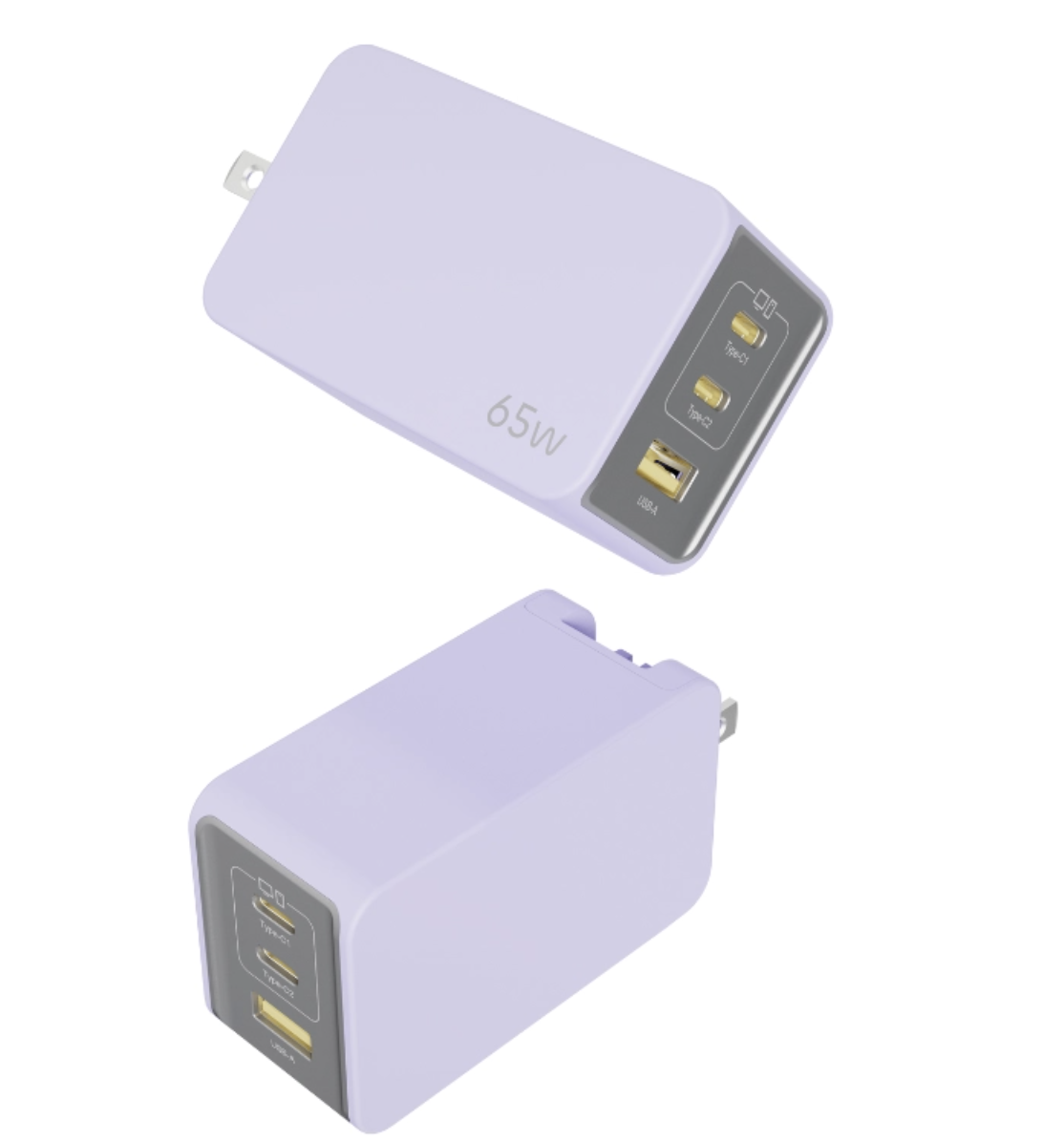
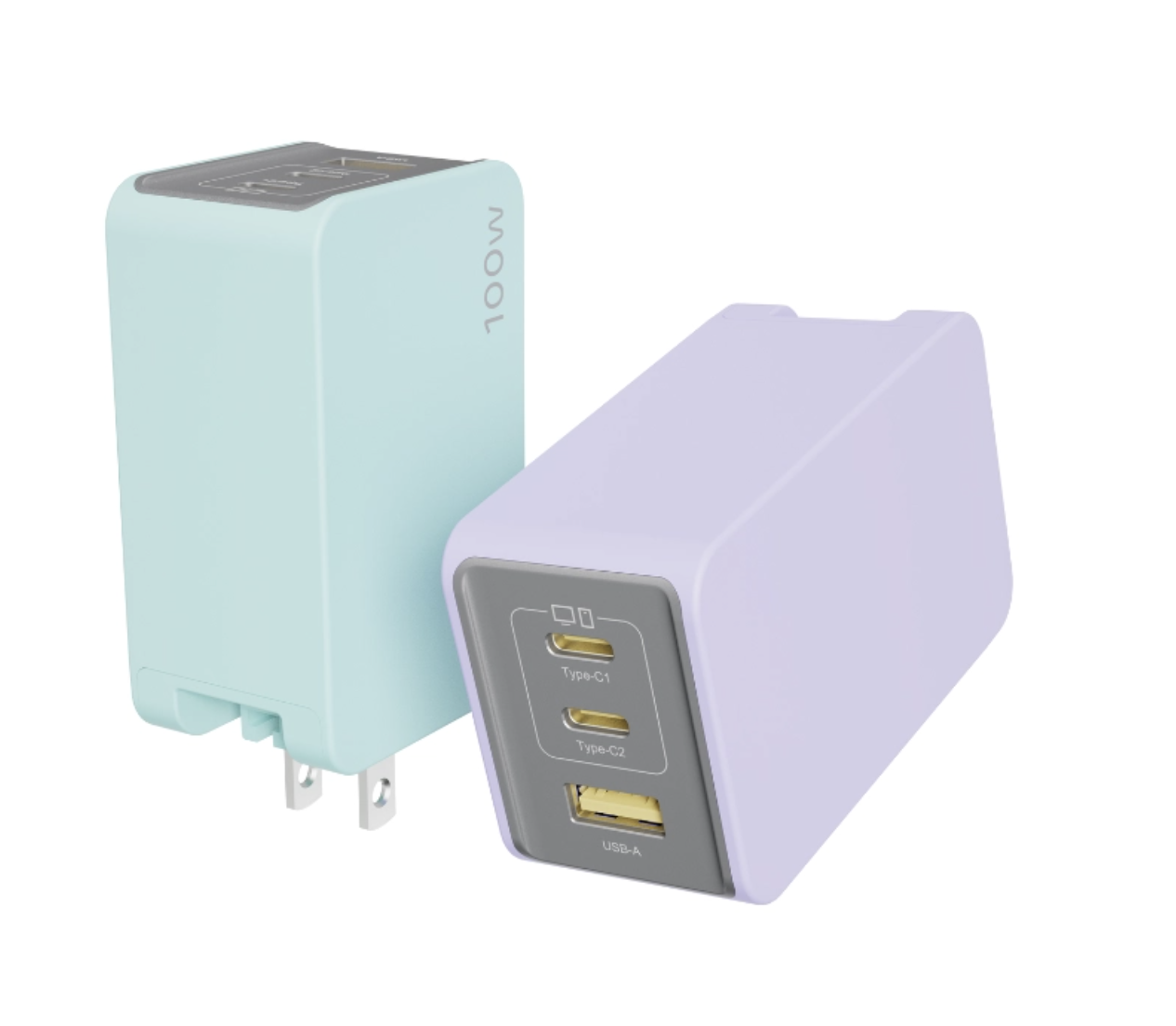
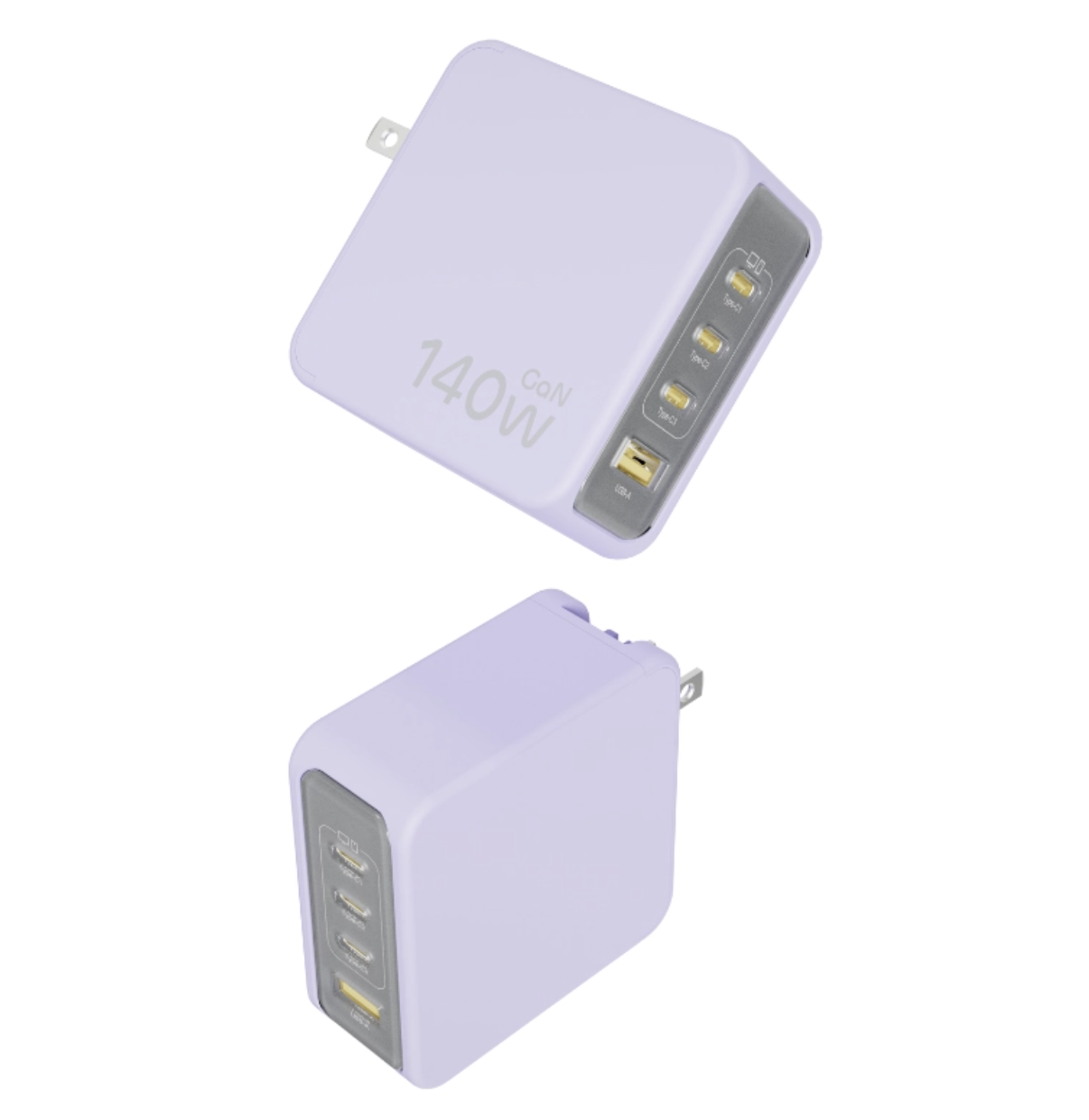
Combining GaN material with PD protocol creates chargers that deliver the best of both worlds. GaN + PD chargers are compact, high-efficiency, and compatible with multiple devices. They are ideal for travelers or anyone managing multiple gadgets, providing fast charging for laptops, smartphones, tablets, and other electronics. These chargers maintain low heat, high efficiency, and safe power delivery across all connected devices.
Conclusion
Choosing between a GaN charger and a PD charger depends on your device needs, charging habits, and lifestyle. GaN chargers excel in compactness, high efficiency, and fast charging, making them ideal for frequent travelers or users with multiple devices. PD chargers offer universal compatibility and smart power delivery, providing safe and reliable charging for a wide range of USB-C devices. For the best combination, UE Electronic provides chargers that integrate GaN technology with PD protocol, delivering high-speed, energy-efficient charging and broad device compatibility. Their products support multi-device setups, reduce heat, and optimize power use, offering a future-proof solution for smartphones, tablets, laptops, and gaming consoles. With UE Electronic, users can enjoy portable, reliable, and high-performance chargers that enhance daily device management.
FAQ
Q: What is a GaN charger?
A: A GaN charger uses Gallium Nitride semiconductors instead of silicon, making it smaller, lighter, and more efficient.
Q: What is a PD charger?
A: A PD charger uses the Power Delivery protocol to adjust voltage and current, delivering safe, fast charging to USB-C devices.
Q: How does a GaN charger work?
A: It converts AC to DC with high-frequency inverters, reducing heat and size while increasing power efficiency and lower EMI.
Q: How does a PD charger work?
A: It negotiates power with devices through a handshake, adjusting voltage and current for optimized, safe, fast charging.
Q: What are the key differences between GaN and PD chargers?
A: GaN is a material focusing on efficiency and compactness; PD is a protocol ensuring smart charging and device compatibility.
Q: Why combine GaN and PD technologies?
A: Because GaN improves efficiency and heat control, while PD provides intelligent fast charging; combining both delivers optimal performance.
Q: Which charger should I choose?
A: Choose GaN for portability and speed, PD for compatibility and budget, or GaN + PD for multi-device, high-power setups.